Introduction
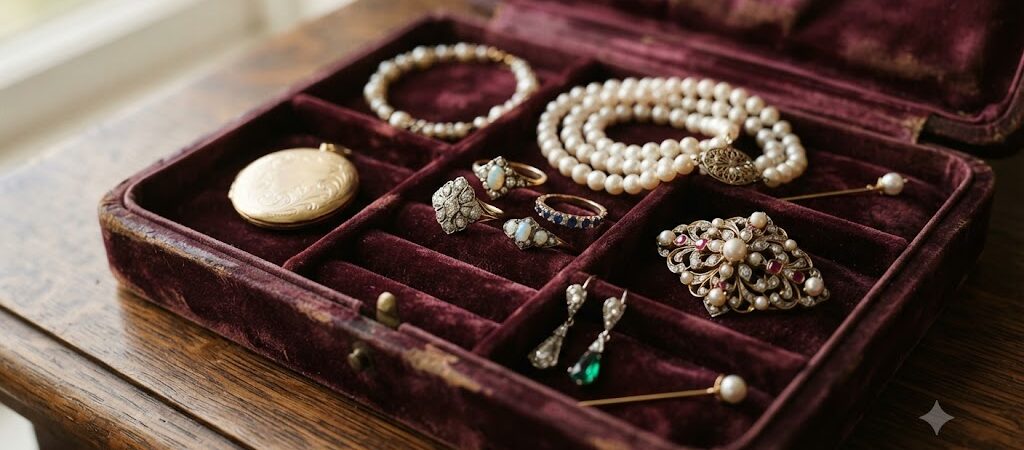
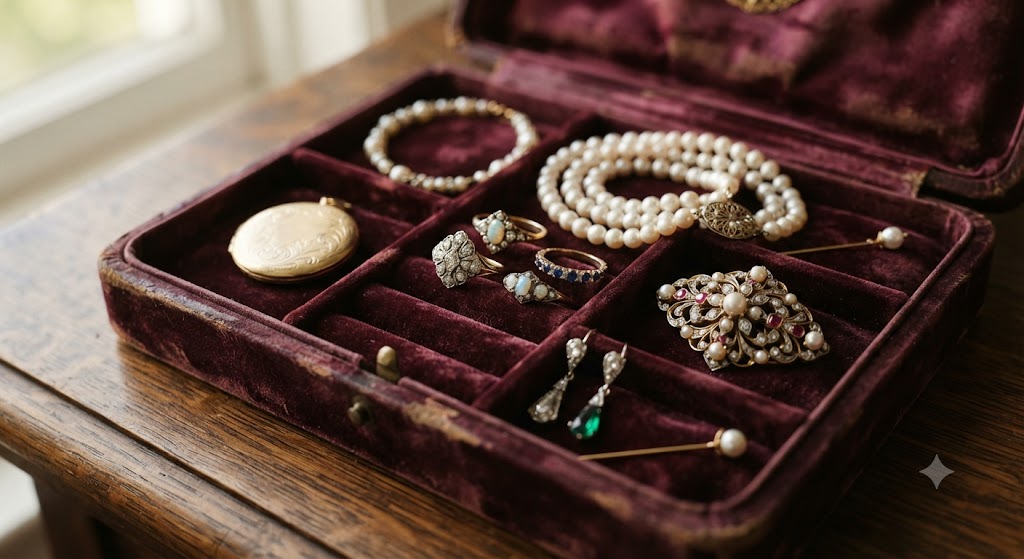
Have you ever inherited an old jewelry box or found a beautiful ring at an antique store and wondered if it might be valuable? Vintage jewelry often combines history, craftsmanship, and timeless beauty, making some pieces worth far more than they first appear.
While age alone doesn’t guarantee value, learning how to recognize quality materials and authentic craftsmanship can help you identify jewelry that deserves a closer look. This guide explains the key signs to check before cleaning, repairing, or selling an heirloom piece.
Start by Looking for Hallmarks
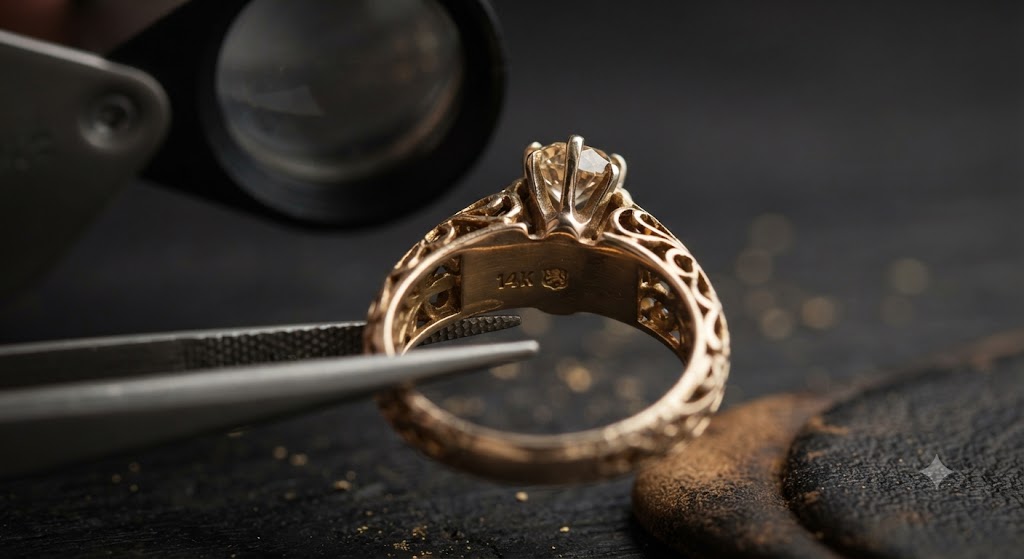
One of the easiest ways to evaluate vintage jewelry is by checking for hallmarks—small stamps that indicate the metal type, purity, or manufacturer.
Common hallmarks include:
- 10K, 14K, 18K – Gold purity
- 925 or Sterling – Sterling silver
- PLAT or PT950 – Platinum
- Manufacturer logos or initials
These marks are usually found inside rings, on bracelet clasps, behind pendants, or near necklace fasteners.
Use a magnifying glass if necessary, since many hallmarks are extremely small.
Keep in mind that some genuine antique pieces may have worn or faded stamps, so the absence of a hallmark doesn’t automatically mean the jewelry isn’t authentic.
Pay Attention to the Weight
Quality jewelry usually feels more substantial than inexpensive fashion jewelry.
Precious metals such as gold, sterling silver, and platinum have a noticeable weight compared to lightweight base metals.
Ask yourself:
- Does the piece feel solid?
- Is it well-balanced?
- Does it seem durable rather than hollow?
Weight alone isn’t proof of value, but combined with other signs, it can be a helpful indicator.
Examine the Gemstone Settings
How gemstones are attached often reveals the quality of a piece.
Prong Settings
Small metal claws securely hold the gemstone while allowing light to enhance its sparkle.
Bezel Settings
A continuous metal rim surrounds the stone, providing excellent protection and durability.
Glued Stones
If stones appear to be attached with glue instead of metal settings, the jewelry is usually costume jewelry rather than fine jewelry.
Well-made vintage pieces typically feature carefully crafted settings with excellent symmetry and attention to detail.
Try the Magnet Test
A simple magnet test can provide another clue.
Gold, sterling silver, and platinum are generally not magnetic.
Hold a strong magnet near the jewelry:
- Little or no attraction may indicate precious metals.
- Strong attraction usually suggests the presence of iron or other inexpensive base metals.
Remember that this isn’t a definitive test. Some genuine jewelry contains small magnetic parts, especially in clasps.
Signs Your Vintage Jewelry May Be Valuable
No single feature guarantees value, but several together make a strong case.
Look for:
- ✔ Clear hallmarks
- ✔ Solid weight
- ✔ Prong or bezel gemstone settings
- ✔ Fine craftsmanship
- ✔ Minimal magnetic attraction
- ✔ Original design details
- ✔ Good overall condition
If your jewelry checks several of these boxes, it’s worth having it professionally evaluated.
Look Beyond the Materials
Sometimes the greatest value lies in the craftsmanship rather than the metal itself.
Many older pieces feature techniques that are uncommon today, including:
- Hand engraving
- Filigree metalwork
- Hand-cut gemstones
- Decorative clasps
- Detailed metal designs
Even jewelry that isn’t made from gold or platinum may have collectible value because of its artistry or historical significance.
Be Careful Before Cleaning
It’s tempting to polish an old piece until it shines, but aggressive cleaning can sometimes reduce its value.
Avoid:
- Abrasive polishing products
- Harsh household chemicals
- Scrubbing delicate engravings
- Replacing original parts unnecessarily
If a piece appears especially old or well-crafted, it’s often best to leave it untouched until it has been examined by a professional.
When Should You Get a Professional Appraisal?
Home inspections are useful, but they cannot confirm authenticity or determine market value.
A qualified jeweler or certified appraiser can identify:
- Precious metal content
- Natural or lab-grown gemstones
- Approximate age
- Designer or manufacturer
- Market value
- Insurance replacement value
Professional advice is especially important if you’re planning to sell, insure, or pass the jewelry on to future generations.
Common Myths About Vintage Jewelry
Myth: Old jewelry is always valuable.
Reality: Age alone doesn’t determine value. Materials, craftsmanship, rarity, and condition matter much more.
Myth: Tarnished jewelry is worthless.
Reality: Sterling silver naturally tarnishes over time, and cleaning can often restore its appearance.
Myth: No hallmark means it’s fake.
Reality: Many older pieces have worn stamps, while some handmade jewelry was never marked.
Myth: Every clear stone is a diamond.
Reality: Vintage jewelry may contain many different gemstones, both natural and laboratory-created.
Final Thoughts
Vintage jewelry is more than just an accessory—it’s a piece of history. Whether it comes from a family member or an antique shop, every item has its own story, and sometimes that story includes surprising value.
By checking for hallmarks, evaluating the weight, inspecting gemstone settings, and recognizing quality craftsmanship, you can better understand what you own before making any decisions. While these simple observations provide valuable clues, a professional appraisal remains the most reliable way to determine authenticity and value.
Even if your jewelry turns out to be more sentimental than valuable, preserving and caring for it ensures that its story can continue for many years to come.