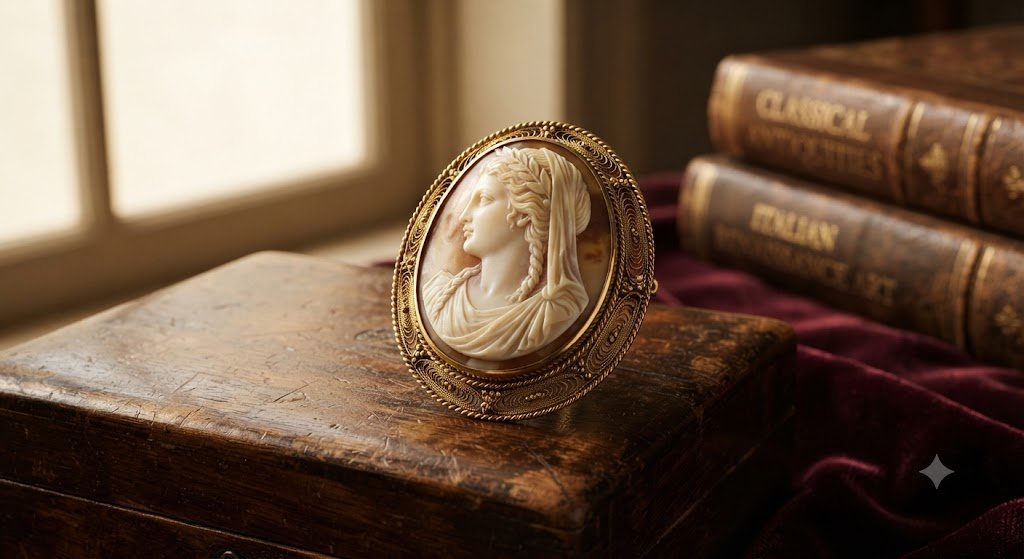
The Enduring Beauty of Cameo Jewelry
Few pieces of jewelry capture the imagination quite like a cameo. Instantly recognizable by its raised carved portrait set against a contrasting background, cameo jewelry blends sculpture, history, and personal expression into a wearable work of art. More than a decorative accessory, every cameo tells a story—whether depicting a classical goddess, a loved one, or a symbol of mythology that has survived for centuries.
Unlike many jewelry trends that come and go, cameos have remained relevant across civilizations, royal courts, and fashion eras. Their remarkable craftsmanship and historical significance continue to fascinate collectors, antique enthusiasts, and modern jewelry lovers alike.
In this guide, we’ll explore the fascinating cameo jewelry history, discover how these miniature masterpieces are created, learn how to recognize a quality cameo, and see why they still deserve a place in today’s jewelry collections.
Ancient Origins: From Greece and Rome to Symbols of Power
The history of cameo jewelry stretches back more than two thousand years.
Ancient Greek artisans were among the first to perfect relief carving techniques, creating intricate images from layered gemstones. The Romans later refined these methods, transforming cameos into prestigious objects worn by emperors, nobles, and military leaders.
Unlike engraved intaglios, which feature recessed carvings, cameos display raised images sculpted above the surface. This three-dimensional effect allowed artists to create incredibly lifelike portraits with remarkable depth and detail.
In ancient civilizations, cameos served several purposes:
- Symbols of wealth and social status
- Personal seals for authenticating documents
- Protective amulets believed to bring good fortune
- Religious and mythological representations
- Family heirlooms passed through generations
Many surviving Roman cameos are now preserved in museums, offering a glimpse into both artistic excellence and everyday life in the ancient world.
The Renaissance and the Victorian Revival
After periods of changing popularity, cameo jewelry experienced a remarkable revival during the Renaissance.
Artists and collectors rediscovered classical Roman and Greek art, inspiring jewelers to recreate ancient carving techniques. Wealthy families commissioned cameos featuring historical figures, biblical scenes, and portraits as symbols of education and refinement.
However, it was during the nineteenth century that cameos reached extraordinary popularity.
Queen Victoria’s Influence
Queen Victoria played a major role in making cameo jewelry fashionable across Europe.
She frequently wore cameo brooches and necklaces, inspiring aristocrats and the growing middle class to adopt the style. During the Victorian era, cameos became cherished souvenirs from European travels—especially visits to Italy, where skilled artisans carved exquisite shell cameos by hand.
Victorian cameos also carried sentimental meaning. Many were exchanged as gifts to celebrate engagements, anniversaries, family milestones, or expressions of affection, making them treasured keepsakes rather than simple accessories.
Materials and the Extraordinary Craft Behind Every Cameo
One of the reasons cameo jewelry remains so admired is the incredible level of craftsmanship required to produce each piece.
Traditional cameo carving is performed entirely by hand, often requiring years of experience to master.
Shell Cameos
Shell remains one of the most iconic materials used for cameo carving.
Artisans carefully shape layered seashells, using the natural color contrast between layers to create portraits that appear almost sculptural. The lighter upper layer forms the raised image, while the darker background provides dramatic contrast.
Agate Cameos
Agate is among the most valuable materials used in cameo production.
Because agate is considerably harder than shell, carving it requires exceptional precision and patience. Finished agate cameos often display remarkable durability alongside striking color contrasts.
Lava Stone
Volcanic lava stone became particularly popular during the nineteenth century, especially around Naples.
Its soft texture allowed artists to carve highly detailed portraits inspired by classical mythology and ancient Roman sculpture.
Glass Cameos
Although less valuable than hand-carved natural materials, molded glass cameos became widely produced during the Victorian period, making cameo-inspired jewelry more accessible to a broader audience.
Regardless of the material, exceptional cameo carving demands extraordinary artistic vision, steady hands, and countless hours of meticulous work.
How to Identify a High-Quality Cameo
Whether you’re purchasing an antique heirloom or a contemporary handcrafted piece, recognizing quality craftsmanship helps you make an informed decision.
Look for these characteristics:
Sharp, Detailed Carving
The finest cameos display crisp facial features, flowing hair, expressive eyes, and carefully sculpted clothing or decorative elements.
Blurry or shallow carving often indicates lower-quality workmanship.
Natural Color Contrast
Traditional shell and agate cameos rely on naturally occurring layers of color.
A harmonious contrast between the raised image and the background enhances depth and visual appeal.
Quality Metal Settings
Many valuable cameos are mounted in precious metals such as:
- Sterling silver
- 14K gold
- 18K gold
- Platinum
Well-crafted settings should securely hold the cameo without covering excessive portions of the carving.
Overall Condition
Inspect for:
- Cracks
- Chips
- Repairs
- Loose settings
- Excessive wear
Well-preserved antique cameos often command significantly higher value than damaged examples.
Wearing Cameo Jewelry in Modern Fashion
Although deeply rooted in history, cameo jewelry has found a fresh audience in contemporary fashion.
Today’s stylists embrace vintage pieces by combining them with minimalist clothing and modern accessories, creating striking contrasts between old and new.
Some stylish ways to wear cameos include:
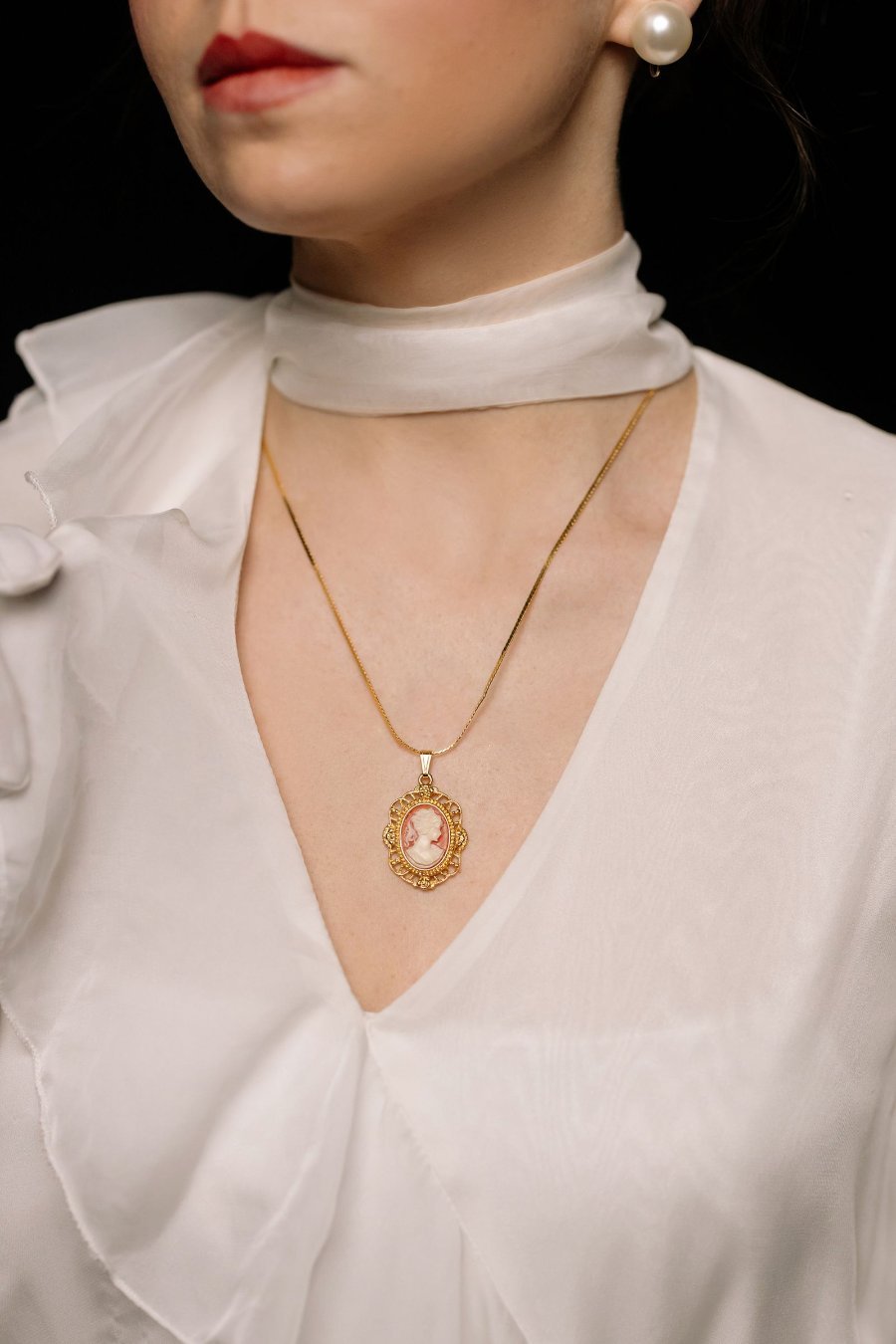
- Pair a vintage cameo pendant with a simple gold chain for everyday elegance.
- Wear a cameo brooch on a tailored blazer instead of reserving it for traditional dresses.
- Layer a cameo necklace with delicate chains of different lengths.
- Combine cameo earrings with clean, minimalist outfits for subtle sophistication.
- Style a cameo ring alongside modern stackable bands for a balanced mix of classic and contemporary design.
Rather than appearing old-fashioned, cameo jewelry can become a distinctive statement piece that reflects individuality and appreciation for craftsmanship.
Preservation Tips for Cameo Jewelry
Because many antique cameos are carved from delicate natural materials, proper care is essential.
Follow these preservation practices:
- Store each cameo separately in a soft pouch or lined jewelry box.
- Keep pieces away from direct sunlight for prolonged periods.
- Avoid perfumes, hairsprays, lotions, and harsh household chemicals.
- Clean gently using a soft microfiber cloth or a slightly damp cloth when appropriate.
- Never soak shell cameos in water or use ultrasonic cleaners.
- Handle antique pieces carefully to avoid accidental impacts.
- Have valuable cameos inspected periodically by a jeweler experienced in antique jewelry.
Thoughtful care helps preserve both the artistic details and historical significance of these remarkable pieces.
Why Cameo Jewelry Continues to Captivate Collectors
Collectors are drawn to cameo jewelry for many reasons beyond its visual beauty.
Each handcrafted carving represents countless hours of skilled labor and often reflects the artistic traditions of its era. Antique cameos also carry a sense of mystery, connecting their owners with generations of previous wearers.
Unlike mass-produced jewelry, no two hand-carved cameos are exactly alike. Small variations in carving style, natural materials, and artistic interpretation make every piece unique.
For collectors, this individuality transforms cameo jewelry from a simple accessory into a meaningful historical artifact.
Final Thoughts
The enduring appeal of cameo jewelry history lies in its extraordinary blend of art, craftsmanship, and storytelling. From the carved gemstones of Ancient Greece and Rome to the elegant shell cameos beloved during the Victorian era, these miniature sculptures have remained symbols of beauty, culture, and personal expression for centuries.
Whether crafted from shell, agate, lava stone, or glass, every cameo reflects the remarkable skill of artisans who transform natural materials into lasting works of art. Their intricate details, historical significance, and timeless elegance continue to inspire collectors and jewelry enthusiasts around the world.
Owning a cameo is about far more than wearing a beautiful accessory. It means carrying a tangible piece of human history—one that celebrates artistic tradition, preserves centuries of craftsmanship, and tells a story every time it is worn.
You Might Also Like
- How to Wear Pearl Jewelry in a Modern Way: Breaking Old Myths
- Jewelry for Formal Events: How to Choose the Perfect Pieces Without Overdoing It
- Seasonal Jewelry Trends: How to Transition Your Collection Throughout the Year
