More Than Accessories: The Emotional Meaning Behind the Jewelry We Choose
Jewelry has been part of human culture for thousands of years. Across civilizations, people have worn rings, necklaces, bracelets, and earrings not only for decoration but also to express identity, celebrate achievements, preserve memories, and symbolize personal beliefs. While fashion trends come and go, the emotional connection people develop with jewelry often lasts a lifetime.
Have you ever noticed that one necklace makes you feel more confident, or that you instinctively reach for the same pair of earrings before an important meeting? These habits are rarely accidental. The jewelry we wear often reflects who we are, what we value, and how we want to present ourselves to the world.
In this guide, we’ll explore the fascinating psychology behind jewelry and discover why these small objects often carry meaning far beyond their beauty.
Jewelry as Memory: More Than Gold and Gemstones
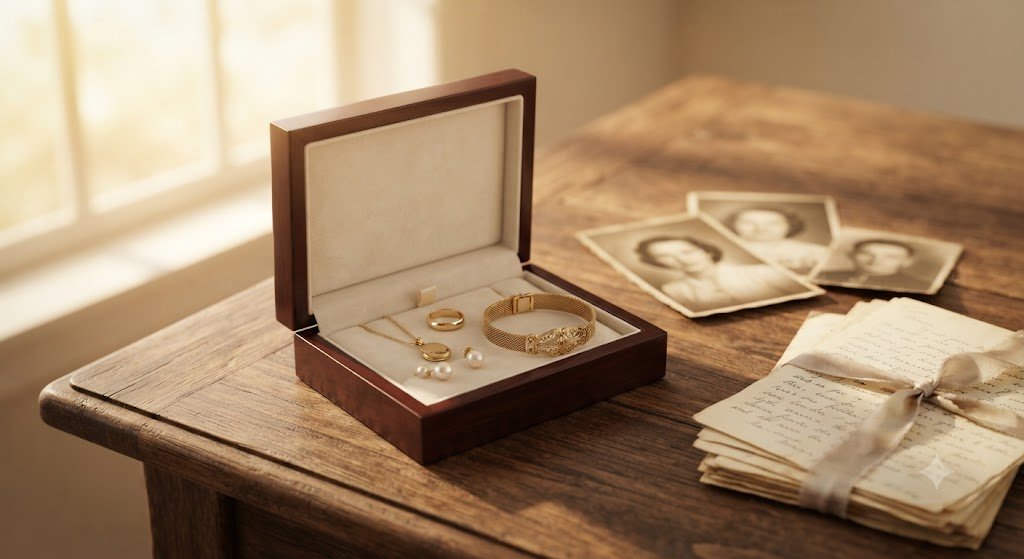
One of the strongest psychological connections we have with jewelry is memory.
Unlike many possessions that are replaced over time, jewelry often stays with us for decades. It becomes attached to important moments, relationships, and milestones, transforming ordinary objects into emotional keepsakes.
A grandmother’s wedding ring may remind someone of family traditions. A bracelet received as a graduation gift may symbolize years of dedication and personal growth. Even a simple pendant purchased during a memorable vacation can instantly bring back vivid emotions years later.
Because jewelry is worn close to the body, it becomes part of our daily experiences. Over time, it collects stories alongside scratches and signs of wear, making each piece increasingly personal.
Why Sentimental Value Often Exceeds Monetary Value
The financial worth of a piece of jewelry isn’t always what makes it precious.
In fact, many people treasure inexpensive gifts far more than expensive luxury pieces because of the emotions attached to them.
Some examples include:
- A friendship bracelet exchanged during childhood.
- An engagement ring representing lifelong commitment.
- A necklace inherited from a beloved family member.
- A charm bracelet marking important life events.
Psychologists often refer to these objects as emotional anchors—physical items that help us reconnect with meaningful experiences and relationships.
Jewelry and Self-Identity
The clothes we wear communicate something about our personality, but jewelry often adds another layer of self-expression.
Unlike clothing, which may change according to seasons or dress codes, favorite jewelry tends to remain consistent over many years.
People often choose pieces that align with how they see themselves—or how they hope others perceive them.
For example:
- Someone who loves classic pearl earrings may value elegance and tradition.
- A person who wears bold geometric jewelry may enjoy creativity and modern design.
- Someone who prefers delicate minimalist pieces may appreciate simplicity and understated sophistication.
These choices are rarely conscious, yet they contribute to personal identity in meaningful ways.
How Jewelry Can Influence Confidence
Accessories may seem like small details, but they can have a surprising impact on how we feel.
Many people describe certain pieces as their “lucky necklace” or “confidence ring.” While the jewelry itself doesn’t create success, wearing something associated with positive experiences can influence mindset.
Psychologists sometimes call this “enclothed cognition”—the idea that what we wear can affect how we think and behave.
A favorite watch might make someone feel more prepared for an interview.
A meaningful pendant may provide comfort during stressful moments.
An elegant pair of earrings can help someone feel polished before giving a presentation.
Jewelry often becomes part of a personal ritual that boosts confidence before important occasions.
Jewelry as a Symbol of Achievement
Throughout history, jewelry has marked life’s biggest milestones.
Receiving or purchasing a meaningful piece often represents personal accomplishment rather than simple luxury.
Common examples include:
- Graduation gifts celebrating academic success.
- Engagement rings symbolizing commitment.
- Wedding bands representing lifelong partnership.
- Anniversary jewelry honoring shared memories.
- Self-purchased jewelry commemorating career promotions or personal goals.
These pieces serve as wearable reminders of important chapters in life.
Years later, simply looking at them can bring back memories of the hard work, excitement, or love associated with those moments.
Minimalism vs. Maximalism: What Your Style Says About You
There is no right or wrong way to wear jewelry.
Some people naturally gravitate toward understated elegance, while others enjoy making a bold fashion statement.
Although personal style is highly individual, jewelry preferences sometimes reflect broader personality traits.
The Minimalist Approach
Minimalist jewelry often includes:
- Thin gold or silver chains
- Small stud earrings
- Simple bands
- Delicate bracelets
People drawn to minimalist designs may appreciate timeless style, versatility, and subtle sophistication.
They often prefer quality over quantity and enjoy pieces that work effortlessly with any outfit.
The Maximalist Approach
Statement jewelry often includes:
- Oversized earrings
- Chunky necklaces
- Colorful gemstones
- Bold cocktail rings
- Layered accessories
Those who enjoy dramatic pieces may see jewelry as a creative form of self-expression.
Rather than blending into an outfit, statement accessories become the focal point.
The Most Important Rule
Neither approach is better.
Many people enjoy switching between minimalist and maximalist styles depending on their mood, the occasion, or the image they want to project.
Personal style is flexible—and that’s part of what makes jewelry so enjoyable.
Why We Feel “Incomplete” Without Certain Jewelry
Have you ever left home only to realize you forgot your wedding ring or favorite necklace?
Many people immediately notice something feels “off.”
This feeling isn’t simply about appearance.
When a piece of jewelry becomes part of our daily routine, our brain begins to associate it with normalcy and comfort.
Over time, favorite accessories become extensions of personal identity.
That’s why forgetting a familiar ring or watch can create a surprisingly strong sense of incompleteness.
It’s similar to forgetting your glasses, favorite perfume, or even your phone—something important suddenly feels missing.
The Emotional Power of Everyday Rituals
Putting on jewelry is often one of the final steps before leaving the house.
Although it only takes seconds, this routine can have psychological significance.
It signals the transition from private life to public life.
Many people unconsciously associate jewelry with becoming their “best self” before facing the day.
This simple ritual may help people feel:
- More confident.
- More prepared.
- More professional.
- More elegant.
- More connected to their personal style.
Even small accessories can contribute to a positive daily mindset.
Jewelry Across Different Life Stages
The meaning of jewelry often evolves over time.
A teenager may wear jewelry primarily as a fashion accessory.
Young adults often begin collecting pieces associated with milestones such as graduations or first jobs.
Later in life, inherited jewelry may become increasingly meaningful as family history grows.
Eventually, many people pass their own collections to future generations, adding new chapters to each piece’s story.
This continuity helps explain why jewelry remains one of the most enduring forms of personal expression across cultures.
Key Takeaways
The psychology behind jewelry is about much more than appearance.
Some of the reasons people wear jewelry include:
- Expressing personal identity.
- Preserving meaningful memories.
- Celebrating important milestones.
- Increasing confidence.
- Honoring family traditions.
- Marking personal achievements.
- Completing everyday routines.
- Creating a lasting emotional connection with meaningful objects.
Understanding these motivations can make jewelry shopping feel more intentional and rewarding.
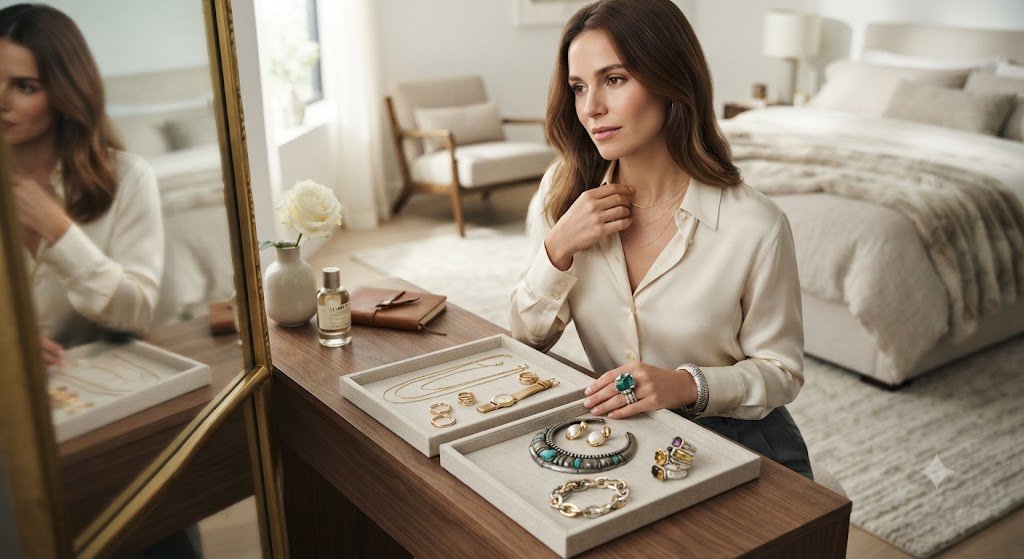
Choosing Jewelry That Reflects Your Story
Instead of asking, “What’s fashionable right now?” consider asking different questions:
- Does this piece represent something meaningful to me?
- Will I enjoy wearing it for years?
- Does it fit naturally into my personal style?
- Could it become part of my story?
These questions often lead to purchases that remain cherished long after trends have changed.
Building a thoughtful jewelry collection isn’t about owning the most expensive pieces—it’s about surrounding yourself with accessories that genuinely reflect your experiences, values, and personality.
Final Thoughts
Jewelry is far more than polished metal and sparkling gemstones. It is a collection of memories, milestones, emotions, and personal expression woven into objects we carry with us every day. A ring may symbolize commitment, a necklace may remind us of someone we love, and a simple bracelet may represent a moment of courage or a new beginning.
The next time you open your jewelry box, take a closer look at the pieces inside. Instead of seeing only gold, silver, or gemstones, consider the stories they tell. Some may celebrate achievements, others preserve family history, and a few may simply remind you of the person you were when you first wore them.
The most valuable jewelry isn’t always the most expensive. Often, it’s the piece that makes you feel connected to your own journey—a quiet reminder that style is at its best when it reflects who you truly are.
You Might Also Like
- The History and Meaning of Cameo Jewelry: A Timeless Art Worn Through the Ages
- How to Wear Pearl Jewelry in a Modern Way: Breaking Old Myths
- Jewelry for Formal Events: How to Choose the Perfect Pieces Without Overdoing It
