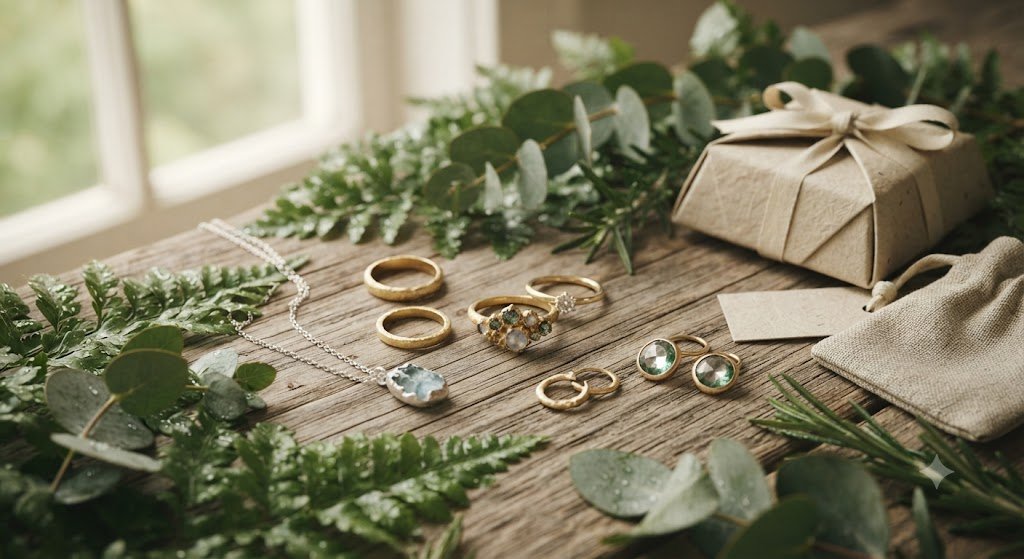
Learn how to make informed jewelry purchases that support people, protect the environment, and reflect your values.
Introduction: What Is Ethical Jewelry?
Jewelry has always been a symbol of beauty, celebration, and personal expression. Yet behind every gold ring, silver necklace, or sparkling gemstone lies a story that begins long before it reaches a jewelry store. In recent years, more consumers have started asking an important question: Where did this jewelry come from?
Ethical jewelry is created with careful attention to both environmental and social responsibility. This means considering how precious metals are mined, how gemstones are sourced, how workers are treated throughout the supply chain, and how natural resources are managed.
Traditional mining can have significant environmental and human impacts if it is not conducted responsibly. However, many jewelry brands are now investing in more sustainable practices, offering consumers beautiful pieces with greater transparency and accountability.
If sustainability matters to you, understanding what makes jewelry ethical can help you shop with confidence while supporting businesses that prioritize responsible sourcing.
What Makes Jewelry Sustainable?
Sustainable jewelry focuses on reducing environmental impact while promoting ethical labor practices.
Several factors contribute to a more responsible piece of jewelry.
Recycled Precious Metals
One of the most common sustainable practices is using recycled gold and recycled sterling silver.
Rather than mining new raw materials, manufacturers refine previously used metals from old jewelry, electronics, and industrial sources.
Recycled precious metals offer several benefits:
- Reduce the need for new mining
- Can lower environmental impact
- Help conserve natural resources
- Maintain the same quality as newly mined precious metals
Since gold and silver can be recycled without losing their properties, choosing recycled metals is an effective way to reduce waste without compromising durability or beauty.
Responsibly Sourced Gemstones
Gemstones also play an important role in ethical jewelry.
Many responsible brands now prioritize gemstones with traceable origins, allowing buyers to understand where and how the stones were mined.
Look for gemstones that are described as:
- Responsibly sourced
- Traceable
- Conflict-free
- Ethically mined
Conflict-free sourcing aims to ensure that gemstone sales do not finance violence or exploit vulnerable communities.
While complete traceability may not always be possible for every gemstone, greater transparency is becoming an industry standard among responsible jewelers.
Certifications Worth Looking For
One of the easiest ways to identify responsible brands is by checking whether they follow recognized industry standards.
Although no certification is perfect, reputable organizations encourage higher levels of accountability.
Responsible Jewellery Council (RJC)
The Responsible Jewellery Council (RJC) is one of the most widely recognized organizations promoting ethical business practices throughout the jewelry supply chain.
Member companies commit to standards related to:
- Responsible sourcing
- Environmental management
- Human rights
- Workplace safety
- Business ethics
While certification alone does not guarantee perfection, it demonstrates that a company has invested in recognized responsible practices.
Fair Trade Practices
Some jewelry brands also work with Fair Trade or similar initiatives that support mining communities through fair wages, safer working conditions, and responsible environmental practices.
These programs often encourage:
- Fair compensation for workers
- Community development
- Safer mining conditions
- Reduced environmental damage
Supporting brands that prioritize fair trade practices helps create positive economic opportunities for mining communities around the world.
Lab-Grown vs. Mined Gemstones
One of the biggest developments in modern jewelry is the growing popularity of laboratory-grown gemstones, particularly diamonds.
Lab-grown diamonds have the same chemical, physical, and optical properties as natural diamonds. The primary difference lies in their origin.
Natural Diamonds
Natural diamonds form deep within the Earth over billions of years before being mined.
Many consumers appreciate their rarity and geological history.
Lab-Grown Diamonds
Lab-grown diamonds are created using advanced technology that replicates the natural diamond-growing process.
Potential advantages include:
- Lower environmental impact compared to many mining operations
- Can offer greater supply chain transparency
- Often lower prices
- Identical physical characteristics to natural diamonds
Both natural and laboratory-grown diamonds have their place in today’s market. The best choice depends on your personal priorities, budget, and values.
Lab-grown moissanite is another option that buyers choose for similar reasons. As with lab-grown diamonds, its footprint depends on how and where it is made, so the same transparency questions apply.
Checking a Brand’s Transparency
Claims such as “eco-friendly” or “ethical” are easy to make and hard to compare. These three checks help you judge what a brand is actually willing to say.
Look for Material Transparency
Trustworthy jewelry companies usually explain where their metals and gemstones come from.
Look for information about:
- Recycled gold or silver
- Laboratory-grown gemstones
- Responsibly sourced natural stones
- Manufacturing practices
The more transparent a company is, the easier it is to understand what you’re buying.
Read the Brand’s Story
Many ethical jewelry brands dedicate sections of their websites to explaining their values and sourcing practices.
Take a few minutes to read about:
- Material origins
- Production methods
- Sustainability initiatives
- Community partnerships
Companies that openly share this information often demonstrate a genuine commitment to responsible business practices.
Sustainability Goes Beyond Materials
Ethical jewelry is not only about metals and gemstones.
Many responsible brands also focus on:
- Reducing packaging waste
- Using recycled paper
- Lowering carbon emissions
- Improving energy efficiency
- Supporting local artisans
- Donating to environmental or community initiatives
Looking at the company’s broader sustainability efforts provides a more complete picture of its values.
Transparency is often one of the strongest indicators of a genuinely responsible business.
Why Ethical Jewelry Often Costs More
Many shoppers notice that ethically sourced jewelry sometimes carries a higher price tag.
There are good reasons for this.
Responsible jewelry production often includes:
- Fair wages for workers
- Safer mining practices
- Environmental protection measures
- Independent audits
- Responsible sourcing programs
- Higher manufacturing standards
These investments increase production costs but also contribute to a more sustainable and equitable industry.
Rather than viewing ethical jewelry as simply “more expensive,” many consumers see it as paying for better practices, greater transparency, and long-term quality.
In many cases, well-crafted jewelry also lasts longer, making it a worthwhile investment over time.
Why Quality Matters More Than Quantity
One of the simplest principles of sustainable fashion is buying fewer, better-made products.
Instead of purchasing several inexpensive pieces that wear out quickly, many shoppers now prefer investing in timeless jewelry designed to last for years.
High-quality jewelry often offers:
- Better craftsmanship
- Greater durability
- Easier repair and maintenance
- Long-term value
- A lower need for frequent replacement
Classic designs also tend to remain stylish regardless of changing fashion trends.
Small Choices Can Make a Big Difference
Supporting sustainability doesn’t necessarily mean replacing your entire jewelry collection.
Simple choices can still have a positive impact.
For example:
- Buy fewer, higher-quality pieces.
- Choose timeless designs you’ll wear for years.
- Repair jewelry instead of replacing it.
- Recycle or redesign inherited pieces.
- Store and maintain jewelry properly to extend its lifespan.
These habits reduce unnecessary consumption while helping preserve meaningful items for future generations.
Support Local Designers and Small Businesses
Buying from local jewelers and independent designers can also be a meaningful way to shop more consciously.
Smaller businesses often:
- Produce in limited quantities
- Focus on craftsmanship
- Offer greater transparency
- Build longer-lasting customer relationships
Choosing locally made jewelry may also reduce transportation distances and support artisans within your community.
Consumer Checklist: Questions to Ask Before Buying
An informed buyer is more likely to make a responsible purchase.
Before choosing a piece of jewelry, consider asking these questions:
✔ Where does the gold or silver come from?
✔ Is the metal recycled or newly mined?
✔ Are the gemstones traceable?
✔ Does the company explain its sourcing practices?
✔ Is the jewelry described as conflict-free?
✔ Does the brand participate in organizations such as the Responsible Jewellery Council?
✔ Are workers treated fairly throughout the supply chain?
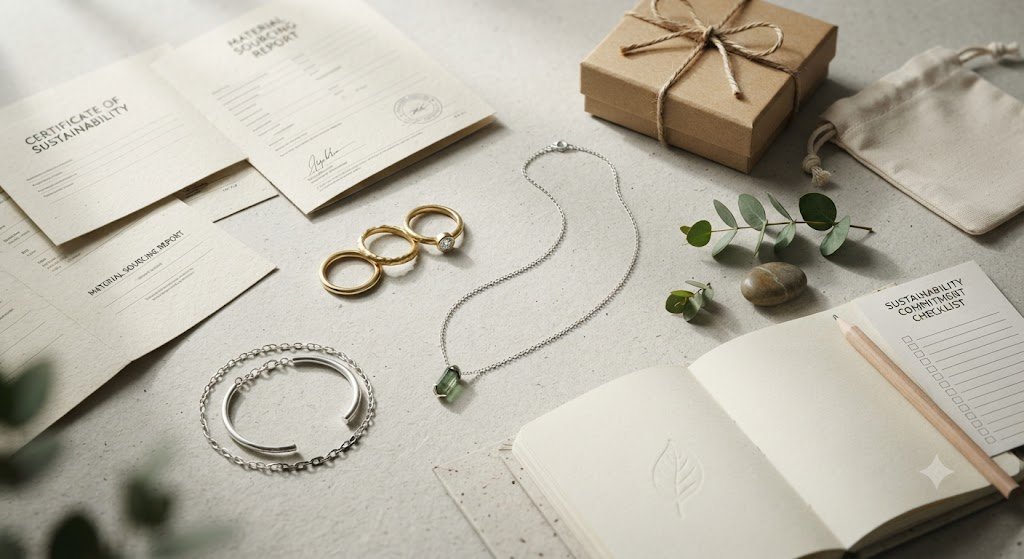
✔ Does the company publish sustainability reports or ethical commitments?
✔ Is the packaging environmentally friendly or recyclable?
✔ Does the business offer repair services that extend the life of its jewelry?
✔ Is the jewelry designed to last for many years?
Brands that answer these questions openly often demonstrate a stronger commitment to transparency.
No brand will tick every box, but greater transparency generally makes it easier to shop with confidence.
Final Thoughts
There is no single label that makes a piece of jewelry ethical, and no brand gets everything right. What you can do is ask clear questions, read what a company is willing to say about its materials and production, and be wary of vague claims that come with no detail.
If a brand can explain where its metals and stones come from, how a piece is made and how it can be repaired, that is a better sign than any single badge. Choose what fits your budget and values, and keep the pieces you buy in use for as long as you can.
You Might Also Like
- Gold Karats Investment Value Comparison: Is 24K, 18K, or 14K Gold the Best Choice?
- Natural vs. Lab-Grown Diamonds: Investment Value and Resale Impact Explained
- Fine Jewelry vs. Fashion Jewelry: How to Know What You’re Buying
