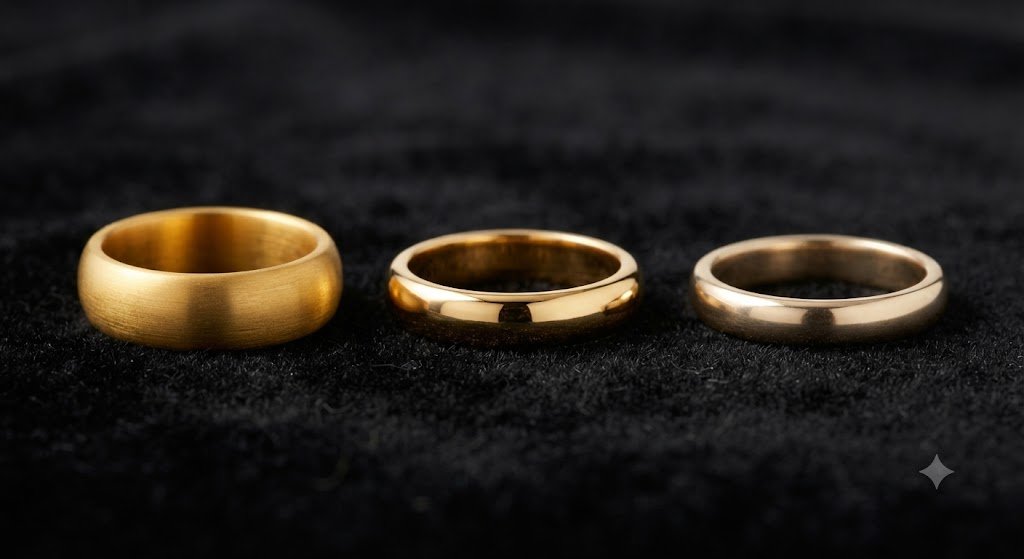
Gold has symbolized wealth, stability, and craftsmanship for thousands of years. Whether purchased as fine jewelry, collectible pieces, or precious metal assets, gold continues to attract investors and consumers alike. However, before buying a gold necklace, wedding band, or investment-grade bullion, it’s important to understand one of the most fundamental concepts in the precious metals market: karats.
The karat system measures the purity of gold and directly influences a piece’s intrinsic metal value, durability, appearance, and resale potential. While many buyers assume that a higher karat is always the better investment, the reality is more nuanced. The ideal choice depends on whether your priority is preserving precious metal value, enjoying everyday wear, or balancing both objectives.
This gold karats investment value comparison explores the differences between 24K, 18K, and 14K gold, helping you understand how each performs from both a jewelry and financial perspective.
Understanding Gold Karats
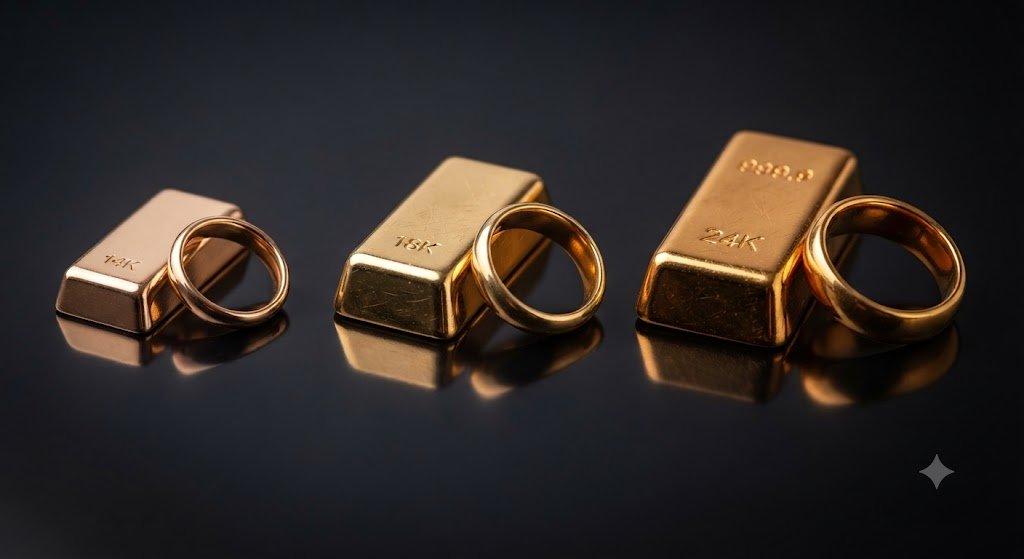
The karat system indicates how much pure gold is contained in an alloy based on a total of 24 parts.
Here’s a quick overview:
- 24K Gold: 99.9% pure gold
- 18K Gold: 75% pure gold
- 14K Gold: 58.3% pure gold
The remaining percentage is made up of alloy metals. For a full explanation of how karats work, how alloys affect strength and durability, and which karat suits everyday wear, see our guide to gold karats explained.
The higher the karat, the greater the percentage of pure gold—and generally, the higher the intrinsic metal value.
24K Gold: Maximum Purity
With approximately 99.9% pure gold, 24K represents the highest level of purity commonly available.
It is the preferred choice for investment bars, bullion coins, and certain traditional jewelry markets where purity is highly valued.
Advantages of 24K Gold
The primary benefits include:
- Highest gold content.
- Maximum intrinsic metal value.
- No significant alloy dilution.
- Strong recognition in global precious metals markets.
- Popular for bullion and wealth preservation.
Because its value closely follows the international gold market, 24K gold is often favored by those seeking direct exposure to gold prices.
Practical Challenges
Despite its purity, 24K gold has limitations for everyday jewelry.
Its softness makes it more susceptible to:
- Scratches.
- Surface dents.
- Bending under pressure.
- Wear from frequent use.
For this reason, rings, bracelets, and frequently worn jewelry made from pure gold require extra care and may not be ideal for active lifestyles.
18K Gold: The Luxury Standard
Containing 75% pure gold, 18K gold is widely regarded as the premium standard in fine jewelry.
It strikes an excellent balance between precious metal content and mechanical durability, making it the preferred choice for many luxury jewelry houses and high-end designers.
Why 18K Gold Is So Popular
The remaining 25% consists of alloy metals that strengthen the gold while preserving its rich color and luxurious appearance.
This combination offers:
- High intrinsic gold value.
- Improved durability.
- Better resistance to daily wear than 24K.
- Rich, warm color associated with luxury jewelry.
- Excellent long-term appeal.
Many engagement rings, wedding bands, luxury necklaces, and heirloom pieces are crafted in 18K gold because it combines elegance with practical performance.
Investment Considerations
From a financial perspective, 18K gold contains significantly more pure gold than 14K while offering greater durability than 24K.
This makes it attractive to buyers who want:
- Fine jewelry with lasting value.
- Strong resale potential.
- High-quality craftsmanship.
- A balance between beauty and precious metal content.
Although the value of an individual jewelry piece depends on many factors beyond gold purity—including craftsmanship, brand, gemstones, and condition—the higher gold content contributes positively to its intrinsic metal value.
14K Gold: Durability and Everyday Value
At 58.3% pure gold, 14K gold contains a larger proportion of strengthening alloy metals.
This composition makes it one of the most practical choices for everyday jewelry.
Benefits of 14K Gold
The increased alloy content provides:
- Excellent scratch resistance.
- Greater structural strength.
- Better durability for active lifestyles.
- Lower purchase price than 18K or 24K.
- Reduced risk of bending or deformation.
Because of these characteristics, 14K gold is especially popular for engagement rings, wedding bands, bracelets, and jewelry worn daily.
Investment Perspective
Although 14K gold contains less pure gold, it remains a valuable precious metal alloy.
Its lower intrinsic gold content means that, all else being equal, its metal value is lower than comparable pieces made from 18K or 24K gold.
However, many buyers prioritize durability and affordability over maximum purity, making 14K an excellent long-term choice for jewelry that will see frequent wear.
Comparing 24K, 18K, and 14K Gold
The following comparison highlights the strengths of each karat.
| Feature | 24K Gold | 18K Gold | 14K Gold |
|---|---|---|---|
| Gold purity | 99.9% | 75% | 58.3% |
| Intrinsic gold value | Highest | High | Moderate |
| Durability | Low | Very good | Excellent |
| Scratch resistance | Low | Good | Very good |
| Everyday wear | Limited | Excellent | Excellent |
| Luxury jewelry standard | Occasionally | Widely used | Common |
| Bullion suitability | Excellent | Limited | Not typical |
| Purchase price | Highest | Moderate to high | More affordable |
This comparison shows that each karat serves different priorities rather than one being universally superior.
How Gold Buyers Determine Resale Value
Many people assume that jewelry resale prices are based primarily on design.
In reality, professional gold buyers typically begin by calculating the value of the precious metal itself.
Several factors influence this process.
Gold Purity
Higher karat jewelry contains more pure gold, increasing its intrinsic metal value.
This is one of the most significant variables in determining the amount of recoverable precious metal.
Weight
Gold buyers weigh the jewelry carefully because resale calculations are largely based on the total amount of pure gold present.
A heavier piece generally contains more recoverable gold than a lighter piece of the same karat.
Current Gold Market Price
The international spot price of gold fluctuates daily.
As market prices rise or fall, the intrinsic value of gold jewelry changes accordingly.
Craftsmanship and Brand
While many gold buyers focus primarily on melt value, luxury jewelry from renowned brands, antique pieces, signed collections, or exceptional craftsmanship may command premiums above their intrinsic metal value in collector or auction markets.
These situations are exceptions rather than the rule.
Choosing the Right Karat for Your Goals
Before making a purchase, consider what matters most to you.
Choose 24K Gold If You:
- Prioritize maximum gold purity.
- Want direct exposure to precious metal value.
- Are purchasing bullion or collectible gold.
- Plan to store rather than frequently wear the item.
Choose 18K Gold If You:
- Want a balance of beauty and investment value.
- Prefer luxury-quality jewelry.
- Appreciate higher gold content.
- Intend to keep the piece for many years.
Choose 14K Gold If You:
- Wear jewelry every day.
- Value durability and scratch resistance.
- Prefer a more accessible purchase price.
- Want practical jewelry with lasting performance.
Final Thoughts
A thoughtful gold karats investment value comparison shows that there is no universal “best” option—only the one that best matches your financial goals and lifestyle. 24K gold offers the highest purity and the greatest intrinsic precious metal value, making it the preferred choice for bullion and buyers focused on wealth preservation. 18K gold provides an outstanding balance of purity, durability, and luxury, which is why it remains the standard for many fine jewelry collections. 14K gold, while containing less pure gold, delivers exceptional strength and everyday practicality, making it ideal for jewelry that will be worn regularly.
When evaluating resale potential, remember that professional buyers typically begin with the jewelry’s gold purity, weight, and the current market price of gold. Design and craftsmanship may add value in certain cases—particularly for luxury brands, antique jewelry, or collectible pieces—but the intrinsic gold content remains the foundation of most valuations.
Before purchasing your next gold item, define your objective clearly. If your priority is preserving precious metal value, higher-purity gold may be the better fit. If you want elegant jewelry that can withstand years of daily wear, a lower karat alloy may offer the best balance of durability and long-term satisfaction. Understanding these differences allows you to make confident, informed decisions that align with both your personal style and your financial goals.
Karat purity is only part of the picture — how you plan to wear a piece matters just as much. Our guide to choosing between gold-plated, gold-filled, and solid gold by situation covers the practical side of that decision.
You Might Also Like
- Natural vs. Lab-Grown Diamonds: Investment Value and Resale Impact Explained
- Fine Jewelry vs. Fashion Jewelry: How to Know What You’re Buying
- Bespoke Jewelry: Why Custom-Made Pieces Are the Ultimate Investment
