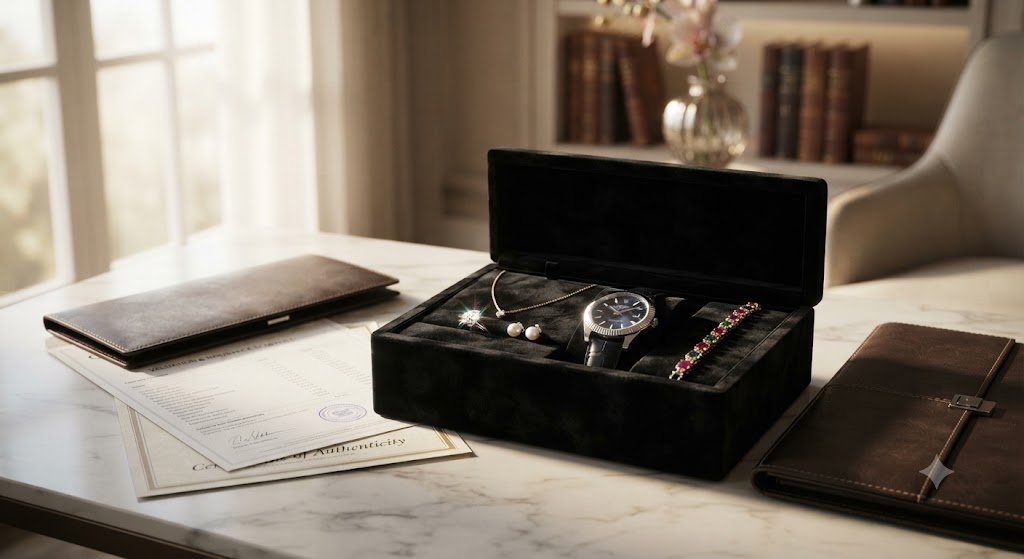
Jewelry is often far more than a beautiful accessory. An engagement ring may symbolize a lifelong commitment, a family heirloom may preserve generations of memories, and a luxury watch or diamond necklace can represent years of hard work and personal achievement. At the same time, fine jewelry is also a valuable financial asset that deserves the same level of protection as other important possessions.
Many people assume that their standard homeowners or renters insurance automatically provides full protection for jewelry. In reality, basic policies often include strict coverage limits and may not fully reimburse the value of expensive pieces in the event of theft, loss, or damage.
Understanding how jewelry insurance works can help you protect both the sentimental and financial value of your collection. This guide explains why specialized coverage matters, how to properly document your jewelry, and the practical steps you can take to safeguard your investment.
Why Standard Home Insurance May Not Be Enough
Homeowners and renters insurance policies usually provide some protection for personal belongings, including jewelry. However, these policies often place low limits on coverage for valuable items and may only reimburse losses under specific circumstances.
For example, a standard policy might cover jewelry stolen during a burglary but provide limited reimbursement if a diamond ring is accidentally lost while traveling or a gemstone falls out of its setting.
High-value collections often exceed these limits, leaving owners responsible for significant financial losses.
For this reason, many collectors choose dedicated jewelry insurance or add specialized coverage to their existing insurance policy.
Keep Your Jewelry Appraisal Up to Date
One of the most important steps in protecting your collection is maintaining a current professional appraisal.
An appraisal estimates the replacement value of a piece based on factors such as:
- Precious metal prices
- Gemstone quality
- Market conditions
- Craftsmanship
- Brand recognition
Because the prices of gold, platinum, diamonds, and colored gemstones can change over time, experts generally recommend updating jewelry appraisals every two to three years.
An outdated appraisal could result in insufficient insurance coverage if replacement costs increase significantly.
Professional appraisals should be performed by qualified jewelry appraisers or certified gemologists who provide detailed written reports.
What Does Jewelry Insurance Typically Cover?
Coverage varies by insurer and policy, but many specialized jewelry insurance plans protect against a wide range of unexpected situations.
Theft
Coverage generally includes theft from your home, while traveling, or in other covered locations, subject to the policy’s terms and conditions.
Accidental Loss
One of the greatest advantages of specialized jewelry insurance is protection against accidental loss.
Examples include:
- Losing a ring while washing your hands
- A bracelet slipping off unnoticed
- An earring disappearing during daily activities
Many standard homeowners policies offer limited or no protection for these situations.
Accidental Damage
Fine jewelry can occasionally suffer accidental damage despite careful handling.
Insurance may help cover:
- Broken chains
- Bent ring bands
- Cracked gemstones
- Damaged settings
- Broken clasps
Depending on the policy, repairs or replacement may be included.
Mysterious Disappearance
Some policies also cover “mysterious disappearance,” meaning jewelry cannot be located despite no clear evidence of theft.
This additional protection can provide valuable peace of mind, especially for frequently worn pieces.
Because coverage differs between insurers, always read your policy carefully to understand what is included and what exclusions apply.
How to Properly Document Your Jewelry Collection
Accurate documentation is one of the most important aspects of protecting valuable jewelry.
If you ever need to file an insurance claim, detailed records can make the process much smoother.
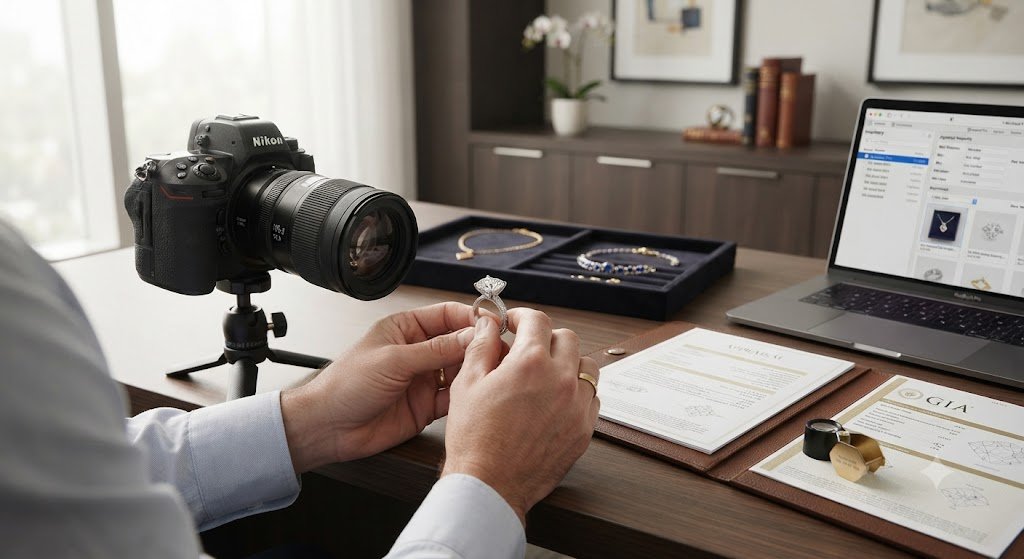
Create a complete inventory for every significant piece.
Include:
- High-resolution photographs from multiple angles
- Close-up images of hallmarks and engravings
- Purchase receipts
- Professional appraisal reports
- Diamond grading reports
- Gemstone certificates
- Warranty information
- Serial numbers for luxury watches, when applicable
Store digital copies securely using encrypted cloud storage or an external backup device, and keep physical documents in a safe location separate from the jewelry itself.
Good documentation not only supports insurance claims but also simplifies estate planning and future appraisals.
Specialized Jewelry Insurance vs. Home Insurance Riders
There are generally two common ways to insure valuable jewelry.
Specialized Jewelry Insurance
Dedicated jewelry insurance policies are designed specifically for fine jewelry.
Advantages often include:
- Higher coverage limits
- Broader protection
- Worldwide coverage in many cases
- Coverage for accidental loss
- Faster claims handling by jewelry specialists
These policies are often ideal for collectors or owners of high-value pieces.
Scheduled Personal Property Endorsements
Another option is adding jewelry to an existing homeowners or renters insurance policy through a scheduled endorsement or rider.
Benefits may include:
- Lower administrative complexity
- Convenient integration with existing coverage
- Potentially lower premiums for modest collections
However, coverage limits and exclusions vary significantly.
Before choosing either option, compare:
- Deductibles
- Coverage limits
- Replacement methods
- Geographic coverage
- Claim procedures
- Premium costs
Selecting the right solution depends on the size and value of your collection as well as your personal needs.
Everyday Habits That Help Prevent Loss
Insurance is only one part of protecting valuable jewelry.
Simple daily habits can greatly reduce the likelihood of accidents or theft.
Store Valuable Pieces Securely
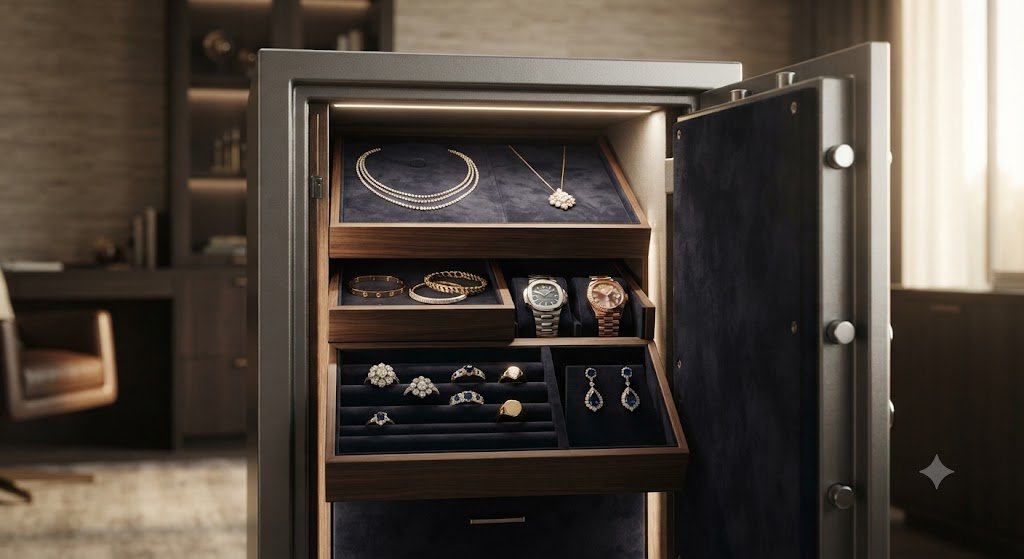
When jewelry is not being worn, store it in:
- A home safe
- A secure safety deposit box for rarely worn heirlooms
- A locked jewelry cabinet
Avoid leaving valuable pieces in visible locations where they may attract unwanted attention.
Avoid High-Risk Activities
Remove jewelry before:
- Swimming
- Exercising
- Gardening
- Heavy lifting
- Home improvement projects
- Contact sports
These activities increase the risk of damage or accidental loss.
Inspect Settings Regularly
Loose prongs or worn settings can allow gemstones to fall out without warning.
Have rings, bracelets, and necklaces professionally inspected once or twice a year, especially if they are worn frequently.
Routine maintenance is far less expensive than replacing a lost gemstone.
Travel Carefully
When traveling:
- Pack jewelry in a dedicated travel organizer.
- Never place valuable pieces in checked luggage.
- Use hotel safes when available.
- Avoid carrying more jewelry than necessary.
Thoughtful planning significantly reduces travel-related risks.
Jewelry Collection Documentation Checklist
Keep a dedicated folder—both digital and physical—for your collection.
Include the following documents:
✔ Professional appraisal reports updated every two to three years.
✔ Original purchase receipts or invoices.
✔ Diamond or gemstone grading reports from recognized laboratories such as GIA or IGI.
✔ Certificates of authenticity for designer or branded jewelry.
✔ High-quality photographs of every piece from multiple angles.
✔ Records of repairs, maintenance, resizing, or restorations.
✔ Warranty information and retailer contact details.
✔ A detailed inventory listing descriptions, estimated values, purchase dates, and identifying characteristics.
Having these records readily available can greatly simplify insurance claims, resale, estate planning, and future appraisals.
When Should You Consider Jewelry Insurance?
Although every situation is different, insurance becomes especially worthwhile if you own:
- Engagement rings with significant replacement value
- Diamond jewelry
- Luxury watches
- Family heirlooms
- Designer jewelry
- Rare gemstones
- Multiple valuable pieces forming a collection
Even a single treasured item may justify specialized protection if replacing it would create financial hardship.
Peace of Mind Is Part of the Value
Fine jewelry is often worn during life’s happiest moments—weddings, anniversaries, graduations, and family celebrations. Insurance allows owners to enjoy these occasions with greater confidence, knowing their treasured possessions are protected against unexpected events.
Rather than worrying about accidental loss or theft, you can focus on enjoying the memories your jewelry helps create.
Final Thoughts
Jewelry insurance is more than a financial product—it is an essential part of responsible ownership. While no insurance policy can replace the sentimental value of a cherished heirloom or engagement ring, it can provide the financial protection needed to repair or replace valuable pieces after an unexpected loss.
Maintaining updated appraisals, organizing detailed documentation, choosing the right insurance coverage, and practicing smart everyday security habits all contribute to preserving your collection for years to come. These simple steps not only protect your investment but also ensure that future generations can continue enjoying the beauty and stories behind each piece.
Rather than viewing jewelry insurance as an added expense, think of it as an investment in both your financial security and your peace of mind. Protecting your collection today means preserving its value, its history, and the memories it represents for tomorrow.
You Might Also Like
- Common Jewelry Care Mistakes You Need to Avoid
- How to Clean Sterling Silver Tarnish at Home: A Safe Step-by-Step Guide
- Sterling Silver Cleaning Methods Compared: Which One Should You Use?
