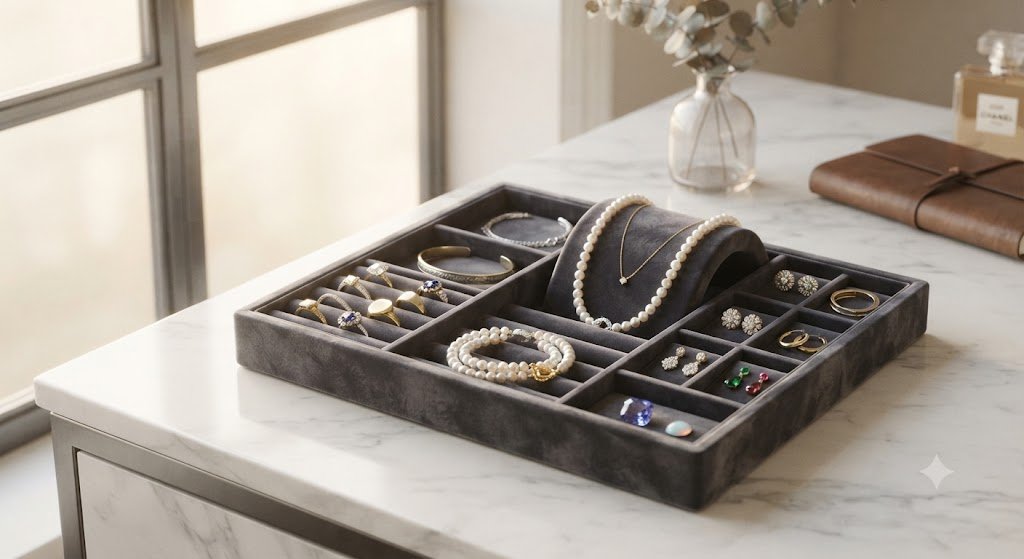
Keeping your jewelry beautiful isn’t just about occasional polishing or professional cleanings. In fact, the biggest threats to your favorite rings, necklaces, bracelets, and earrings often come from small daily habits that seem completely harmless. Over time, these habits can dull gemstones, scratch precious metals, weaken settings, and even shorten the lifespan of pieces that may have sentimental or financial value.
Whether you own solid gold jewelry, sterling silver, pearls, or gemstone pieces, understanding what not to do is just as important as learning the correct cleaning techniques. Fortunately, avoiding a few common mistakes can help preserve your jewelry’s shine for many years.
In this guide, you’ll discover the most common jewelry care mistakes people make and learn simple habits that will keep your collection looking its best.
Why Daily Habits Matter More Than You Think
Jewelry is designed to be worn and enjoyed, but it also experiences constant exposure to sweat, moisture, cosmetics, sunlight, and everyday friction. While one careless moment may not cause noticeable damage, repeated exposure gradually affects both appearance and durability.
Developing better habits doesn’t require expensive products or complicated routines. Small changes in how you wear, clean, and store your jewelry can make a remarkable difference over time.
Mistake #1: Wearing Jewelry While Cleaning
Household cleaning products are among the biggest enemies of fine jewelry.
Many common cleaners contain chlorine, bleach, ammonia, or other harsh chemicals that can damage precious metals and gemstones. Gold alloys may weaken after repeated chlorine exposure, while sterling silver can tarnish more quickly when exposed to certain chemicals.
Pearls, opals, and other delicate gemstones are especially vulnerable because their surfaces are softer and more porous than diamonds or sapphires.
Always Remove Jewelry Before:
- Washing bathrooms or kitchens
- Using bleach or disinfectants
- Cleaning with ammonia-based products
- Washing dishes with strong detergents
- Handling pool chemicals
Taking off your jewelry before cleaning only takes a few seconds but can prevent costly damage.
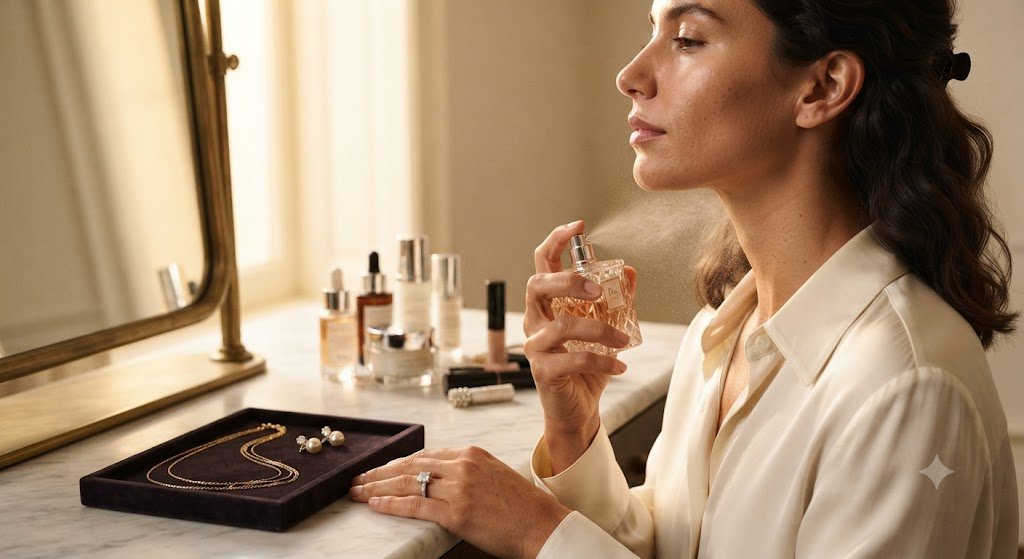
Mistake #2: Applying Perfume, Lotion, or Sunscreen Over Jewelry
Many people get dressed and immediately spray perfume or apply skincare products without thinking about the jewelry they’re wearing.
Unfortunately, cosmetics often leave behind invisible residue that gradually reduces shine.
Products that commonly affect jewelry include:
- Perfume
- Body lotion
- Sunscreen
- Hair spray
- Makeup
- Hand cream
Over time, these substances create a dull film that is especially noticeable on diamonds, gemstones, and polished metals.
Pearls deserve extra attention because they are organic gemstones. Chemicals found in cosmetics can slowly damage their delicate outer surface, causing them to lose their natural luster.
A Better Habit
Apply all cosmetics first.
Allow them to dry completely before putting on your jewelry.
This simple routine significantly reduces buildup while keeping your jewelry cleaner for longer.
Mistake #3: Sleeping or Exercising While Wearing Jewelry
It may seem convenient to leave jewelry on overnight or during workouts, but doing so exposes your pieces to unnecessary stress.
While sleeping, necklaces can become tangled, chains may stretch, and rings can catch on bedding. Earrings may also experience pressure that bends posts or loosens settings.
Exercise presents additional risks.
Sweat contains salts and oils that accumulate on jewelry over time. Physical movement also increases the chance of impacts that may bend prongs, scratch metals, or loosen gemstones.
Remove Jewelry Before:
- Going to the gym
- Running
- Swimming
- Sleeping
- Gardening
- Playing sports
Giving your jewelry a short daily break helps protect both its appearance and structural integrity.
Mistake #4: Storing All Jewelry Together
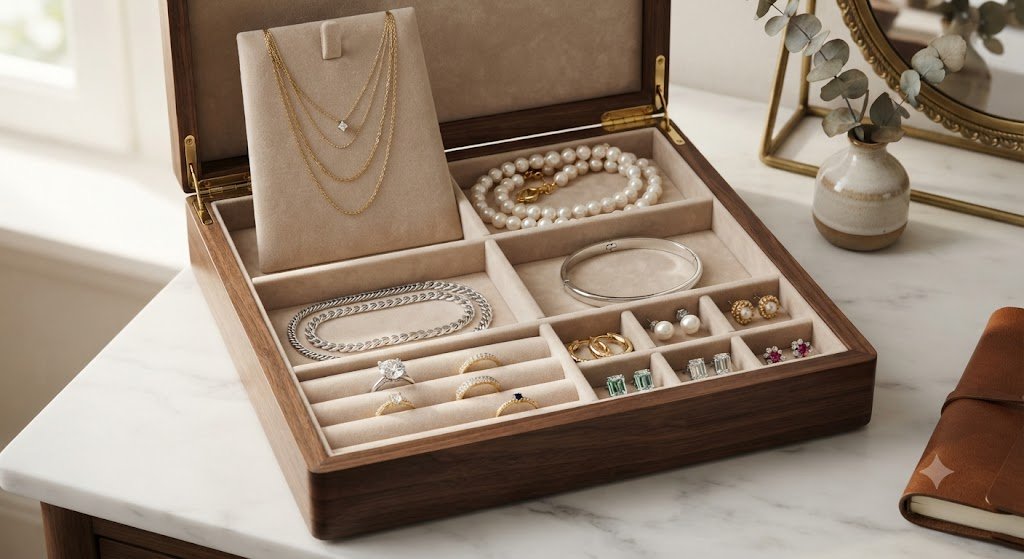
One of the most common storage mistakes is placing every piece into a single jewelry box compartment.
Although this may seem harmless, jewelry constantly rubbing together creates scratches that become more visible over time.
Diamonds are especially problematic because they are hard enough to scratch many other gemstones and even precious metals.
Chains can also become tangled, increasing the likelihood of knots and broken clasps.
Better Storage Practices
Protect your collection by following these simple storage habits:
- Store each piece separately whenever possible.
- Use soft fabric pouches or individual compartments.
- Fasten necklace clasps before storing them.
- Hang long chains to reduce tangles.
- Keep pearls away from harder gemstones.
Proper storage is one of the easiest ways to preserve your jewelry’s finish.
Mistake #5: Using the Wrong Cleaning Methods
The internet is full of DIY jewelry cleaning tips, but not all of them are safe.
Some homemade cleaning methods can permanently damage precious metals and gemstones.
Avoid These Cleaning Mistakes
- Using toothpaste as a jewelry cleaner
- Scrubbing with hard-bristle toothbrushes
- Cleaning with bleach
- Using acetone or strong solvents
- Applying abrasive powders
- Using rough paper towels
Toothpaste is one of the most common myths. Although it may appear gentle, many formulas contain abrasive particles capable of scratching gold, silver, and softer gemstones.
Instead, use cleaning methods specifically recommended for your jewelry’s metal and gemstone combination.
Golden Habits for Everyday Jewelry Care
Protecting your jewelry doesn’t require complicated routines.
Instead, focus on developing a few consistent habits that reduce everyday wear.
Make These Habits Part of Your Routine
- Put your jewelry on last after getting dressed.
- Remove jewelry first when returning home.
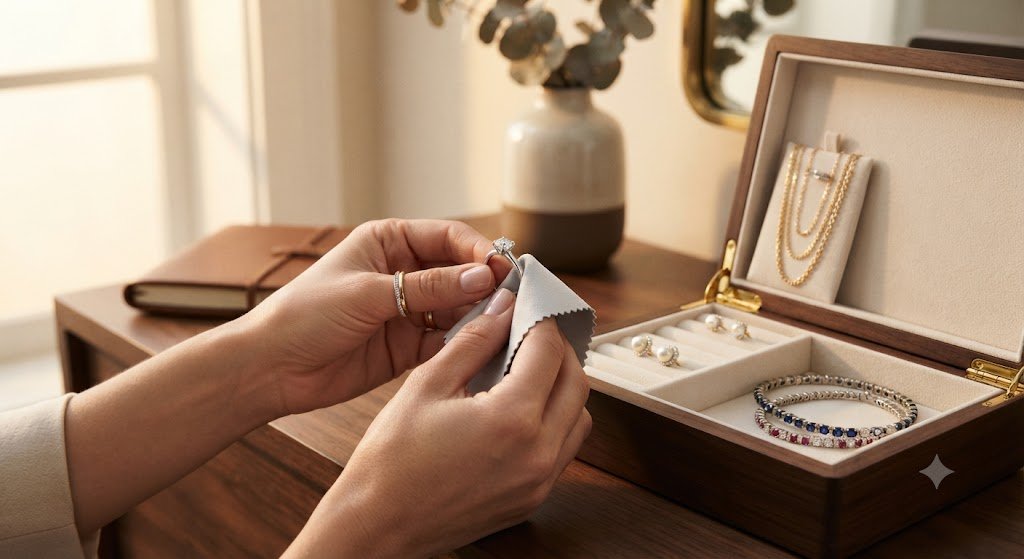
- Wipe pieces with a soft microfiber cloth after wearing them.
- Store jewelry in a cool, dry place.
- Keep valuable pieces away from excessive humidity.
- Inspect clasps and gemstone settings regularly.
- Schedule professional inspections for frequently worn fine jewelry.
These simple steps take only a few minutes but greatly extend the life of your favorite accessories.
Signs Your Jewelry Needs Professional Attention
Even with excellent care, jewelry occasionally requires professional maintenance.
Consider visiting a trusted jeweler if you notice:
- Loose gemstones
- Bent prongs
- Deep scratches
- Broken clasps
- Severely tarnished silver
- Cracked pearls or gemstones
- Chains that kink repeatedly
Professional maintenance can often prevent minor problems from becoming expensive repairs.
Quick Checklist: Jewelry Care Mistakes to Avoid
Keep this checklist in mind whenever you’re wearing or caring for your jewelry.
✔ Don’t wear jewelry while cleaning your home.
✔ Don’t spray perfume directly onto jewelry.
✔ Don’t apply lotion after putting on rings or bracelets.
✔ Don’t sleep wearing delicate necklaces or earrings.
✔ Don’t exercise while wearing valuable jewelry.
✔ Don’t store all jewelry together.
✔ Don’t clean jewelry with toothpaste or harsh chemicals.
✔ Don’t ignore loose stones or damaged clasps.
✔ Do wipe jewelry clean after wearing it.
✔ Do store each piece safely and separately.
If you’re noticing tarnish more often than usual, our guide to finding the real cause behind tarnishing jewelry can help you pin down what’s actually triggering it.
Final Thoughts
Beautiful jewelry is designed to last for generations, but its longevity depends largely on the care it receives every day. Most damage doesn’t happen because of dramatic accidents—it develops slowly through repeated exposure to chemicals, friction, moisture, and improper storage.
Fortunately, protecting your jewelry is easier than many people realize. Removing your pieces before household chores, applying cosmetics before accessorizing, storing each item separately, and using gentle cleaning methods can dramatically extend the life of your collection.
Whether you wear a treasured family heirloom, an engagement ring, or your favorite everyday necklace, thoughtful daily habits are the best investment you can make. By avoiding these common jewelry care mistakes, you’ll preserve the beauty, brilliance, and value of your jewelry for many years to come.
You Might Also Like
- How to Clean Sterling Silver Tarnish at Home: A Safe Step-by-Step Guide
- Sterling Silver Cleaning Methods Compared: Which One Should You Use?
- How to Clean and Care for Vintage Watches: Preserving History
