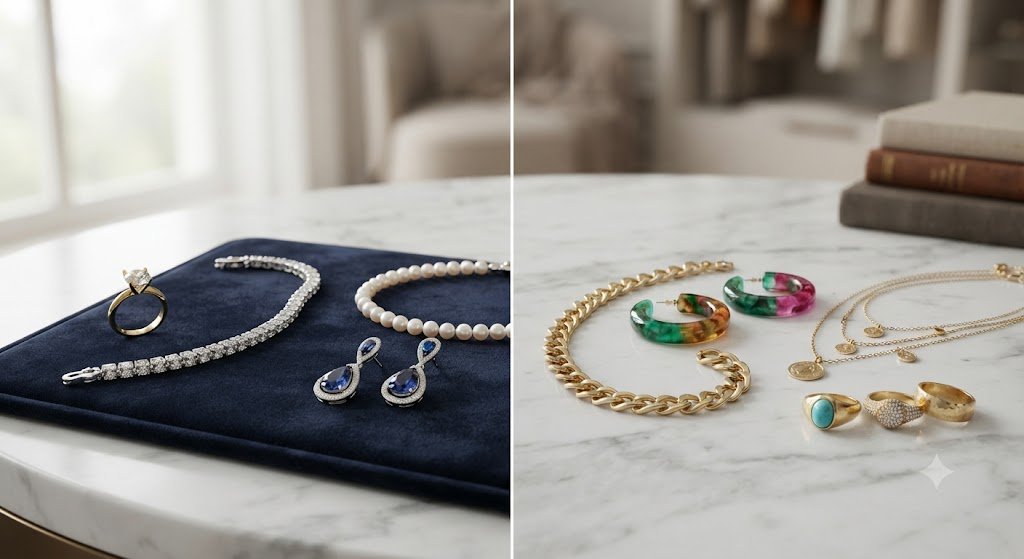
Shopping for jewelry has never offered more choices. From luxury boutiques and independent designers to online marketplaces and fashion retailers, consumers can find pieces at nearly every price point. While this variety is exciting, it can also be confusing. Terms like fine jewelry, demi-fine jewelry, gold vermeil, and fashion jewelry are often used interchangeably, even though they describe products with very different materials, durability, and value.
Understanding these categories is essential for making informed purchases. A beautiful necklace may look luxurious in a photograph, but its long-term quality depends on what it’s actually made of. Without knowing the difference, it’s easy to pay the price of fine jewelry for a piece that has a much shorter lifespan.
This guide explains the key differences between fine jewelry, demi-fine jewelry, and fashion jewelry, helping you shop with confidence and choose pieces that match both your style and your budget.
Why Jewelry Categories Matter
Jewelry isn’t simply about appearance. The materials used, the craftsmanship involved, and the way a piece is constructed all influence its durability, maintenance requirements, and long-term value.
Understanding jewelry categories helps you:
- Compare products fairly.
- Recognize realistic pricing.
- Avoid misleading marketing claims.
- Buy pieces suited to your lifestyle.
- Make better long-term investments.
The goal isn’t to determine which category is “best,” but to ensure you know exactly what you’re purchasing.
What Is Fine Jewelry?
Fine jewelry represents the highest standard of quality in the jewelry industry.
These pieces are crafted using precious metals and genuine gemstones designed to last for decades—or even generations—with proper care.
Precious Metals
Fine jewelry typically includes metals such as:
- Solid gold (10K, 14K, 18K, or higher)
- Platinum
- Palladium
- Sterling silver (925)
These materials are valued for their durability, beauty, and intrinsic worth.
Unlike plated jewelry, solid precious metals retain their composition throughout the entire piece.
Genuine Gemstones
Fine jewelry commonly features:
- Natural diamonds
- Rubies
- Emeralds
- Sapphires
- Pearls
- Other natural colored gemstones
Some fine jewelry also includes certified laboratory-grown gemstones, which are real gemstones with the same physical, chemical, and optical properties as their natural counterparts.
Long-Term Value
One of the defining characteristics of fine jewelry is longevity.
With regular maintenance, a well-crafted ring, bracelet, or necklace can remain beautiful for generations.
Fine jewelry also offers advantages such as:
- Higher durability
- Repairability
- Potential resale value
- Family heirloom potential
- Timeless appeal
Understanding Demi-Fine Jewelry
Demi-fine jewelry occupies the space between luxury jewelry and fashion accessories.
Often described as accessible luxury, it combines attractive design with higher-quality materials than typical costume jewelry while remaining more affordable than fine jewelry.
Common Materials
Demi-fine pieces often use:
- Sterling silver
- Gold vermeil
- Gold-plated sterling silver
- Thick gold plating over quality base metals
- Semi-precious gemstones
- Freshwater pearls
Gold vermeil deserves special attention.
Unlike standard gold plating, vermeil requires a sterling silver base covered with a relatively thick layer of gold, providing greater durability than many inexpensive plated pieces.
What to Expect
Demi-fine jewelry can offer excellent quality when properly cared for.
However, plated finishes naturally wear over time, especially with frequent exposure to water, perfume, sweat, and household chemicals.
Many buyers appreciate demi-fine jewelry because it delivers elegant design at a more approachable price.
What Is Fashion Jewelry?
Fashion jewelry—also called costume jewelry—is created primarily for style rather than long-term value.
These pieces are designed to complement trends, seasonal collections, and changing fashion preferences.
Typical Materials
Fashion jewelry commonly includes:
- Brass
- Zinc alloys
- Stainless steel
- Aluminum
- Acrylic
- Resin
- Glass
- Plastic
- Synthetic decorative stones
Many fashion accessories are coated with thin metallic finishes that imitate gold or silver.
Although visually appealing, these finishes may gradually fade or wear away with regular use.
Shorter Lifespan
Fashion jewelry serves a different purpose than fine jewelry.
Rather than lasting for generations, it focuses on affordability and versatility.
Advantages include:
- Budget-friendly pricing
- Trend-driven designs
- Wide variety of styles
- Easy seasonal updates
However, fashion jewelry generally offers:
- Limited durability
- Little or no resale value
- Greater susceptibility to scratches and tarnish
- Less repair potential
Quick Comparison Guide
| Feature | Fine Jewelry | Demi-Fine Jewelry | Fashion Jewelry |
|---|---|---|---|
| Materials | Solid gold, platinum, sterling silver, genuine gemstones | Sterling silver, gold vermeil, gold-plated silver, semi-precious stones | Brass, alloys, acrylic, glass, resin, synthetic materials |
| Durability | Excellent; designed to last generations | Good with proper care | Moderate to low; intended for shorter-term wear |
| Resale Value | Often retains some value depending on materials and brand | Usually limited | Generally little or no resale value |
| Price | Highest investment | Mid-range | Most affordable |
| Best For | Everyday heirloom-quality pieces, special occasions, investments | Everyday luxury and versatile styling | Fashion trends, occasional wear, seasonal accessories |
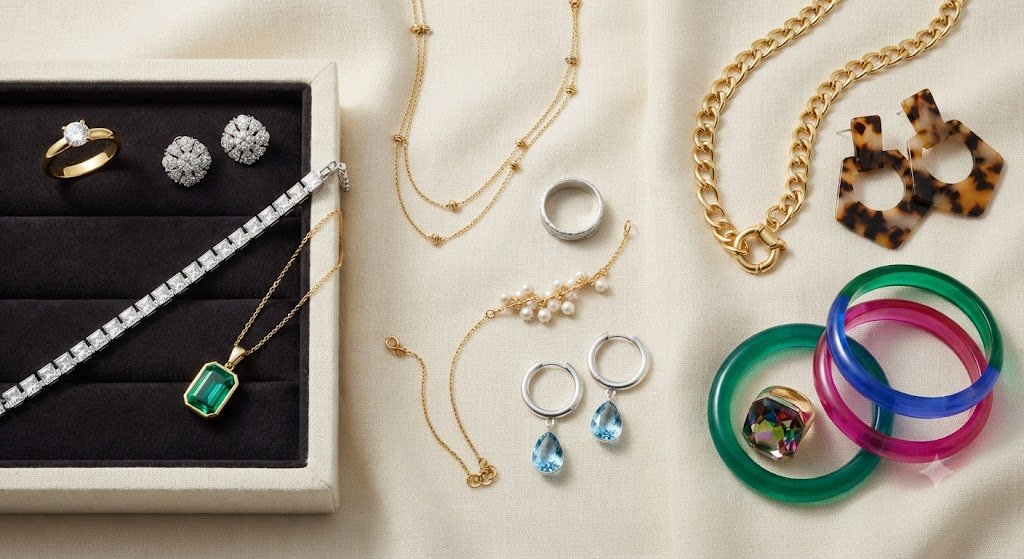
Beware of Misleading Marketing Terms
Modern jewelry marketing often uses luxurious language that can make inexpensive pieces appear more valuable than they actually are.
Words such as:
- Luxury-inspired
- Premium finish
- Designer quality
- Gold tone
- Fine-style jewelry
- Signature collection
may sound impressive, but they don’t describe the actual materials used.
For example, gold-tone jewelry simply refers to color—not gold content.
Similarly, a piece described as “luxury inspired” doesn’t necessarily contain precious metals or gemstones.
Rather than relying on marketing language, always look for clear material descriptions.
A reputable retailer should openly state:
- The base metal
- Whether the piece is solid or plated
- The thickness of any plating (when applicable)
- Whether gemstones are natural, laboratory-grown, or simulated
Transparency is one of the strongest indicators of a trustworthy jewelry brand.
Essential Questions to Ask Before Buying
Before purchasing any piece of jewelry, don’t hesitate to ask questions.
An informed buyer is much less likely to be disappointed later.
Consider asking:
- What is the base metal?
- Is this solid gold, gold-filled, gold-plated, or gold vermeil?
- Are the gemstones natural, laboratory-grown, or simulated?
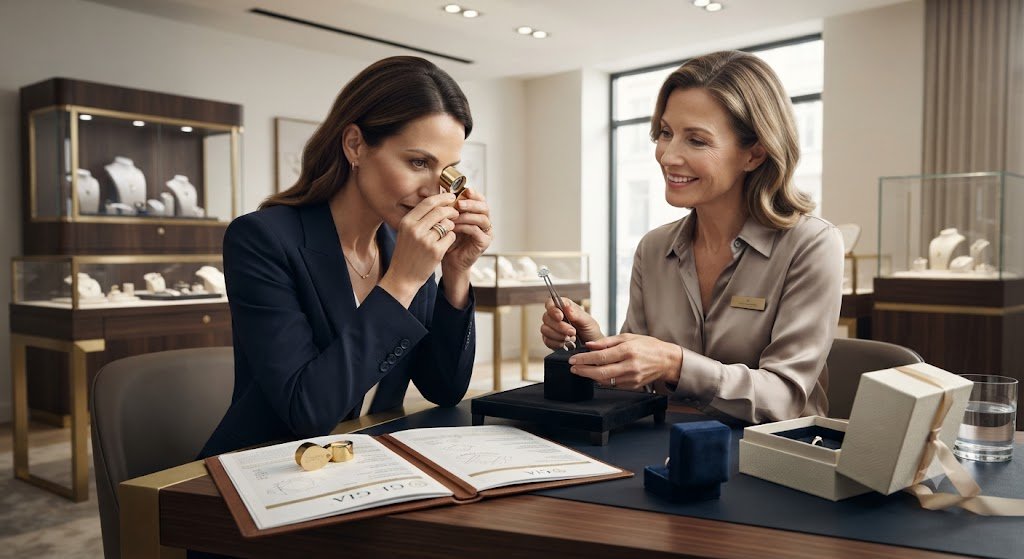
- Does the jewelry include any certifications or documentation?
- Can this piece be repaired or resized if necessary?
- What type of warranty is included?
- How should this jewelry be cleaned and maintained?
Professional jewelers should answer these questions clearly and confidently.
If the information is vague or unavailable, consider shopping elsewhere.
Choosing the Right Jewelry for Your Needs
Every category has its place.
Fine jewelry is often the ideal choice for life’s major milestones, including engagement rings, wedding bands, anniversary gifts, and heirloom pieces.
Demi-fine jewelry offers an excellent balance between quality and affordability, making it well suited for everyday wear or thoughtful gifts.
Fashion jewelry provides an easy way to experiment with trends, bold colors, and statement styles without making a significant financial commitment.
The best option depends on:
- Your budget
- How often you’ll wear the piece
- Your maintenance expectations
- Whether long-term value matters to you
Knowing the differences allows you to choose confidently rather than relying solely on appearance.
Smart Shopping Tips
Keep these practical guidelines in mind whenever you’re buying jewelry:
- Read material descriptions carefully instead of relying on product photos.
- Look for hallmarks such as 925, 14K, 18K, or PT950 on precious metal jewelry.
- Request certificates for valuable diamonds or colored gemstones whenever appropriate.
- Compare prices across multiple reputable retailers.
- Be cautious of deals that seem unusually inexpensive for genuine precious materials.
- Purchase from jewelers with transparent return policies, warranties, and customer support.
A few extra minutes of research can prevent costly mistakes.
Final Thoughts
Fine jewelry, demi-fine jewelry, and fashion jewelry each serve different purposes, and none is inherently better than the others. Fine jewelry offers exceptional durability, intrinsic material value, and heirloom potential. Demi-fine jewelry provides a refined balance between luxury and affordability, while fashion jewelry allows for creativity, versatility, and trend-driven styling at an accessible price.
The key is understanding exactly what you’re buying. By paying attention to materials, craftsmanship, certifications, and honest product descriptions, you can make purchasing decisions that align with your expectations and your budget.
Ultimately, there is no “right” or “wrong” choice—only informed and uninformed ones. When you know the difference between fine jewelry and fashion jewelry, you’re far more likely to pay a fair price, enjoy your purchase, and build a collection that truly reflects your personal style and long-term goals.
You Might Also Like
- Gold Karats Investment Value Comparison: Is 24K, 18K, or 14K Gold the Best Choice?
- Natural vs. Lab-Grown Diamonds: Investment Value and Resale Impact Explained
- Bespoke Jewelry: Why Custom-Made Pieces Are the Ultimate Investment
