Two diamond rings may appear nearly identical at first glance. They may have the same carat weight, similar designs, and comparable precious metals. Yet when offered for resale, one may command a significantly higher price than the other. The difference often has less to do with appearance and more to do with something buyers cannot immediately see: documentation and condition.
In today’s fine jewelry market, resale value is influenced by much more than gemstones and craftsmanship. Professional buyers, auction specialists, estate jewelers, and collectors carefully evaluate official gemological certificates, condition reports, repair history, and the overall preservation of a piece before determining its market value.
Understanding how jewelry condition reports and certifications affect resale value can help owners protect their investments and make informed decisions about maintenance, restoration, and documentation throughout the life of a piece.
Why Documentation Influences Jewelry Value
Luxury jewelry is both a decorative object and a valuable asset. As with fine art or collectible watches, buyers want confidence that what they are purchasing matches its description.
Official documentation reduces uncertainty by providing objective information about authenticity, quality, and condition.
Well-documented jewelry generally offers:
- Greater buyer confidence.
- Easier authentication.
- Faster resale transactions.
- More transparent pricing.
- Stronger appeal in competitive markets.
Although documentation alone does not guarantee a higher resale price, it often strengthens a buyer’s willingness to pay market value.
The Value of Official Gemological Certifications
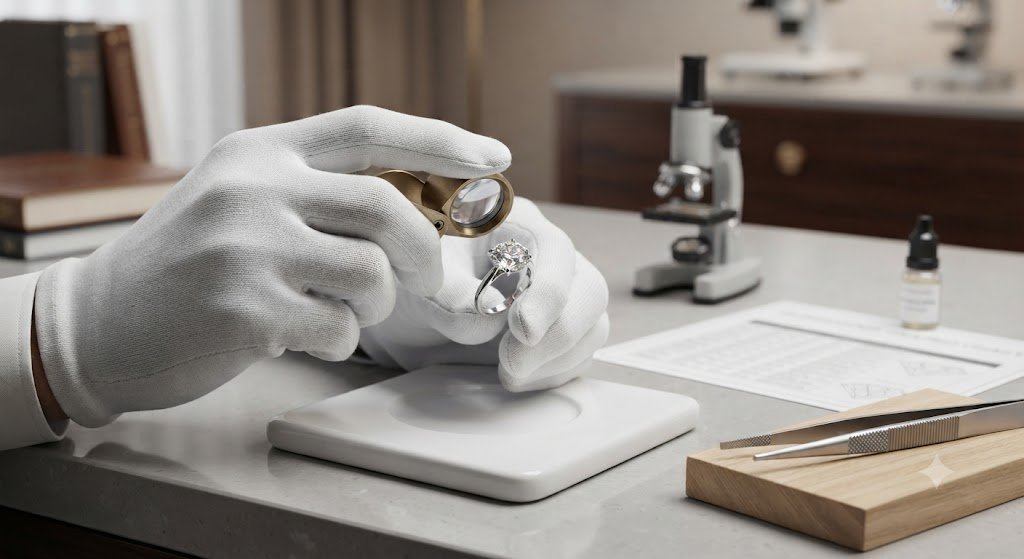
One of the most important documents in fine jewelry is an independent gemological certificate.
These reports provide an unbiased evaluation of gemstones using internationally recognized grading standards.
What a Certification Confirms
Depending on the gemstone, a certificate may verify:
- Identity of the gemstone.
- Natural or laboratory-grown origin.
- Carat weight.
- Color grade.
- Clarity grade.
- Cut quality.
- Measurements.
- Treatments or enhancements, when detected.
For diamonds, these details create a standardized language that allows buyers to compare stones objectively.
Why Independent Laboratories Matter
Independent gemological laboratories operate separately from jewelry retailers and buyers, helping provide consistent grading standards.
Certificates issued by well-known laboratories are widely recognized throughout the jewelry industry because they follow established evaluation methods.
This independent assessment often reduces uncertainty during resale negotiations.
For valuable diamonds and important colored gemstones, professional certification is frequently viewed as an essential component of marketability.
Understanding Jewelry Condition Reports
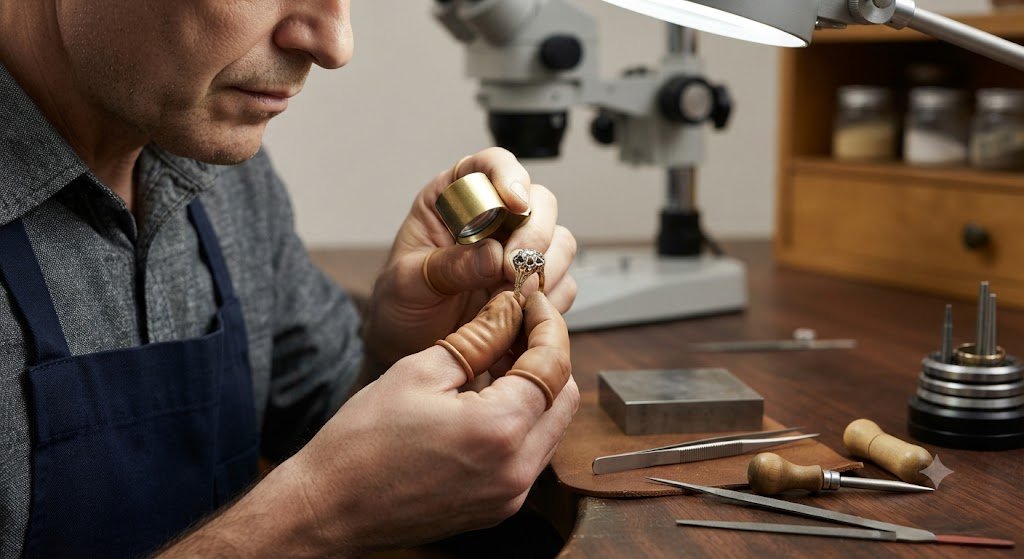
While a gemological certificate evaluates the gemstone itself, a condition report focuses on the jewelry as a whole.
Professional buyers inspect every component of a piece before determining its resale value.
Even a certified gemstone can lose market appeal if the mounting has significant wear or structural issues.
Metal Wear
One of the first areas examined is the condition of the precious metal.
Evaluators look for:
- Surface scratches.
- Excessive polishing.
- Thin shanks.
- Dents.
- Deformation.
- Previous resizing work.
Normal wear is expected in pre-owned jewelry, but significant structural wear may require costly repairs before resale.
Prongs and Stone Security
The setting is another critical area.
Professionals inspect whether:
- Prongs remain evenly shaped.
- Stones are securely held.
- There is visible wear on the setting.
- Any gemstones show movement.
- Repairs have altered the original design.
Loose or worn prongs increase the risk of gemstone loss and often reduce buyer confidence until repairs are completed.
Signs of Previous Repairs
Repair history is not necessarily negative.
High-quality restoration performed by experienced jewelers can preserve a piece for decades.
However, buyers often evaluate:
- Visible solder joints.
- Replacement components.
- Non-original settings.
- Altered engravings.
- Structural modifications.
The closer a piece remains to its original condition, the more attractive it may be to collectors and certain buyers.
The Polishing Dilemma
Many owners assume polishing automatically increases resale value by making jewelry appear newer.
In reality, excessive polishing can sometimes reduce long-term value.
Why Over-Polishing Can Be Harmful
Every polishing process removes a microscopic layer of precious metal.
Repeated polishing over many years may gradually soften important design details.
Potential consequences include:
- Rounded edges.
- Reduced engraving depth.
- Loss of sharp decorative patterns.
- Thinner settings.
- Altered proportions.
These changes are particularly significant for antique and vintage jewelry.
Preserving Original Character
Collectors often appreciate evidence of careful ownership rather than excessive restoration.
Minor surface wear may demonstrate authenticity without significantly affecting functionality.
For historically important jewelry, preserving original finishes, hallmarks, and craftsmanship is often more desirable than creating a flawless modern appearance.
Whenever restoration is considered, professional advice is recommended to balance aesthetics with long-term preservation.
How Documentation Affects Financial Performance
From a financial perspective, documentation helps reduce uncertainty.
Lower uncertainty often improves market confidence.
Greater confidence may translate into:
- Faster resale opportunities.
- Broader buyer interest.
- More competitive offers.
- Reduced negotiation over authenticity.
Documentation does not guarantee profit, but it frequently supports smoother transactions.
The Cost of Missing Certification
A valuable gemstone without independent documentation often requires additional verification before resale.
Potential buyers may request:
- New laboratory grading.
- Professional appraisal.
- Authentication testing.
These additional steps increase both time and expense.
Some buyers may also reduce their initial offer to account for the uncertainty and future certification costs.
Restoration Costs and Liquidity
Condition directly affects liquidity—the ease with which an item can be sold at a fair market price.
Jewelry requiring extensive restoration may remain on the market longer because buyers anticipate additional expenses.
Examples include:
- Rebuilding worn prongs.
- Replacing missing gemstones.
- Repairing damaged clasps.
- Restoring bent settings.
- Correcting previous repair work.
These anticipated costs often influence resale negotiations.
Best Practices for Preserving Jewelry Value
Owners who hope to maximize future resale potential should adopt good preservation habits from the beginning.
Consider the following guidelines:
- Keep all original certificates and grading reports in a safe place.
- Save purchase receipts and warranty documentation whenever possible.
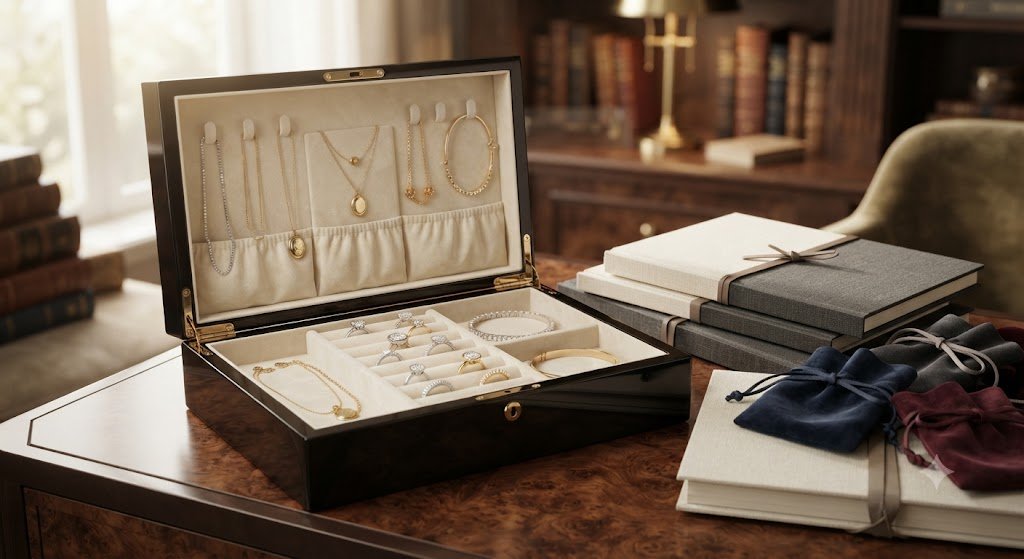
- Store jewelry individually to minimize scratches.
- Have settings inspected periodically by a qualified jeweler.
- Address loose stones promptly before damage worsens.
- Avoid unnecessary polishing, especially for vintage or antique jewelry.
- Preserve original boxes and branded packaging if available.
- Document significant repairs with written service records.
These simple practices can strengthen buyer confidence if the jewelry is eventually offered for sale.
Condition Report Checklist
Professional buyers often evaluate jewelry using criteria similar to the following:
- Overall structural integrity.
- Metal wear and thickness.
- Prong condition.
- Stone security.
- Surface scratches.
- Hallmarks and metal stamps.
- Signs of previous repairs.
- Presence of original gemstones.
- Quality of craftsmanship.
- Availability of certificates and supporting documentation.
Each factor contributes to the overall assessment of marketability and value.
Final Thoughts
Understanding how jewelry condition reports and certifications affect resale value is essential for anyone purchasing fine jewelry with long-term ownership in mind. While gemstones and precious metals establish the foundation of a piece’s intrinsic worth, official documentation and careful preservation often play a major role in determining how confidently buyers evaluate that value in the secondary market.
Independent gemological certificates provide trusted verification of a gemstone’s characteristics, while professional condition reports reveal the physical state of the jewelry itself. Together, these documents reduce uncertainty, improve transparency, and frequently make a piece more attractive to collectors, estate buyers, and auction participants. At the same time, thoughtful maintenance—including avoiding unnecessary polishing and preserving original craftsmanship—helps protect both historical integrity and market appeal.
Whether you plan to keep your jewelry for generations or eventually offer it for resale, maintaining complete documentation and caring for each piece responsibly is one of the most effective ways to support its long-term value. Well-preserved jewelry with reliable records not only inspires greater buyer confidence but also stands a stronger chance of achieving a fair and competitive price in today’s fine jewelry market.
Documentation matters just as much for inherited pieces without paperwork — our guide on what to check first on inherited or found vintage jewelry covers how to evaluate a piece before you have it formally appraised.
You Might Also Like
- Anklet Sizing Guide and Measurement: How to Measure and Choose the Perfect Fit
- How to Measure Your Wrist for Bracelet Size: The Complete Guide to Link Bracelets and Chains
- Ring Stacking Size Guide: How to Size and Style Stacked Rings for the Perfect Fit
