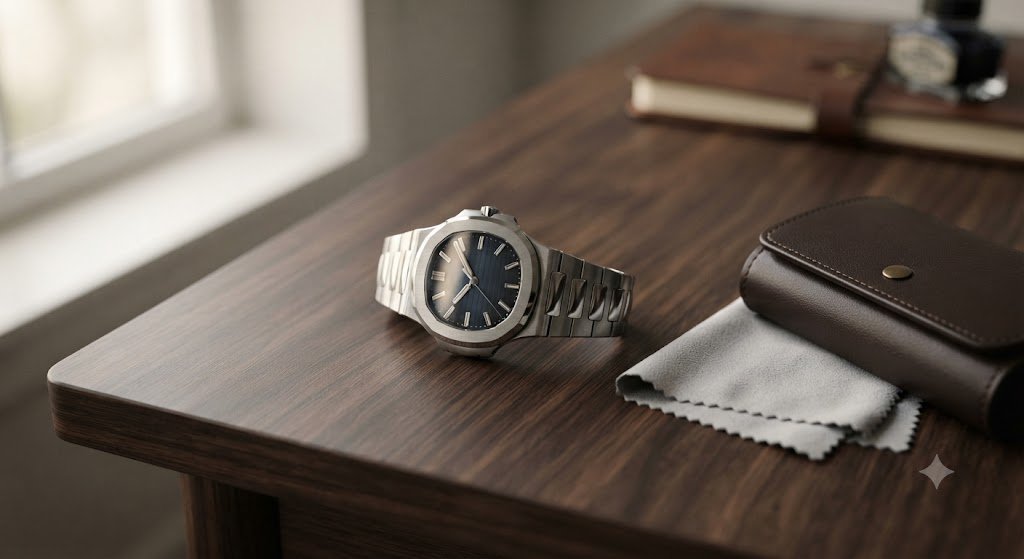
A luxury watch is far more than a device that tells time. It is a functional piece of jewelry, a symbol of craftsmanship, and often a significant financial investment. Whether you own a classic mechanical watch, a modern automatic model, or a high-end sports watch, proper maintenance is essential for preserving both its appearance and its performance.
Many watch owners focus only on cleaning the exterior, but true preservation goes much further. Preventive maintenance helps protect the movement, maintain accuracy, preserve water resistance, and reduce the likelihood of expensive repairs in the future. With the right care, a quality timepiece can remain reliable for decades and even become a cherished family heirloom.
Daily Care: Keeping Your Watch Clean Without Damage
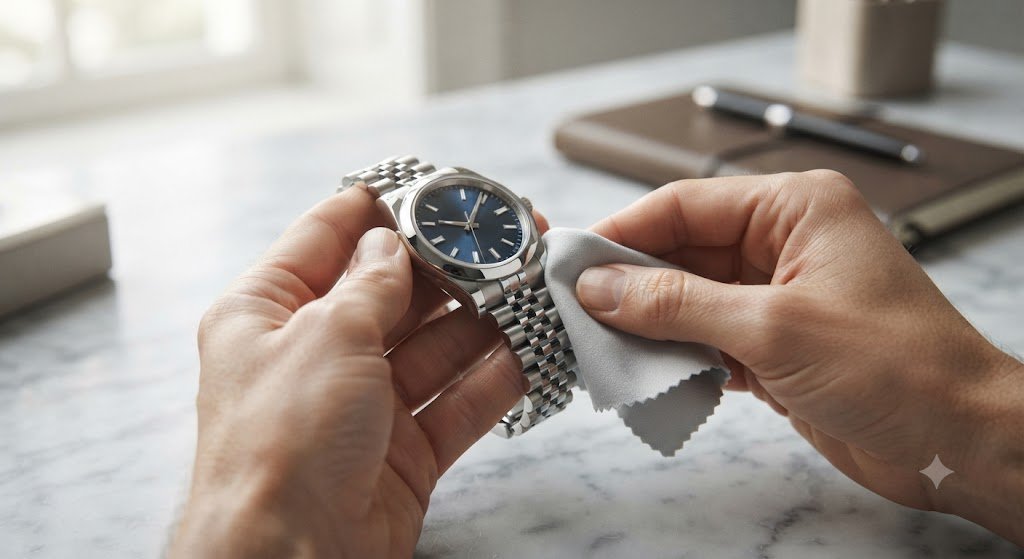
Everyday wear exposes a watch to dust, sweat, skin oils, and environmental pollutants. Regular cleaning helps prevent buildup that can affect both the case and the bracelet.
How to Clean the Bracelet
For metal bracelets, use a soft microfiber cloth after each day of wear. If deeper cleaning is needed, lightly dampen the cloth with lukewarm water and gently wipe the bracelet.
Avoid:
- Abrasive sponges
- Harsh household cleaners
- Bleach-based products
- Excessive water exposure
How to Clean the Dial and Crystal
The crystal and dial should be treated with extra care. Use a clean microfiber cloth and wipe in gentle circular motions. Never spray cleaning products directly onto the watch.
If your watch has a sapphire crystal, it is highly scratch-resistant, but it can still collect fingerprints and residue that reduce clarity.
Daily cleaning checklist
Recommended
- Wipe the case with a dry microfiber cloth.
- Clean the bracelet or strap gently.
- Remove sweat and moisture after wear.
- Avoid direct contact with chemicals.
- Store the watch properly when not in use.
Understanding Water Resistance: ATM and Bar Explained
One of the most misunderstood features of luxury watches is water resistance.
Manufacturers often use ATM (atmospheres) or Bar to indicate resistance levels.
| Rating | Typical Use |
|---|---|
| 3 ATM / 3 Bar | Hand washing, light splashes |
| 5 ATM / 5 Bar | Showering and brief water exposure |
| 10 ATM / 10 Bar | Swimming |
| 20 ATM / 20 Bar | Water sports and recreational diving |
Important
“Water-resistant” does not mean “waterproof.”
Gaskets and seals age over time. A watch that was water-resistant when new may lose part of its protection after several years if it has not been professionally inspected.
Before swimming with a luxury watch, ensure that:
- The crown is fully secured.
- Pushers are not operated underwater unless specifically designed for that purpose.
- The watch has been tested recently if it is several years old.
Proper Storage: Protecting the Watch Between Wears
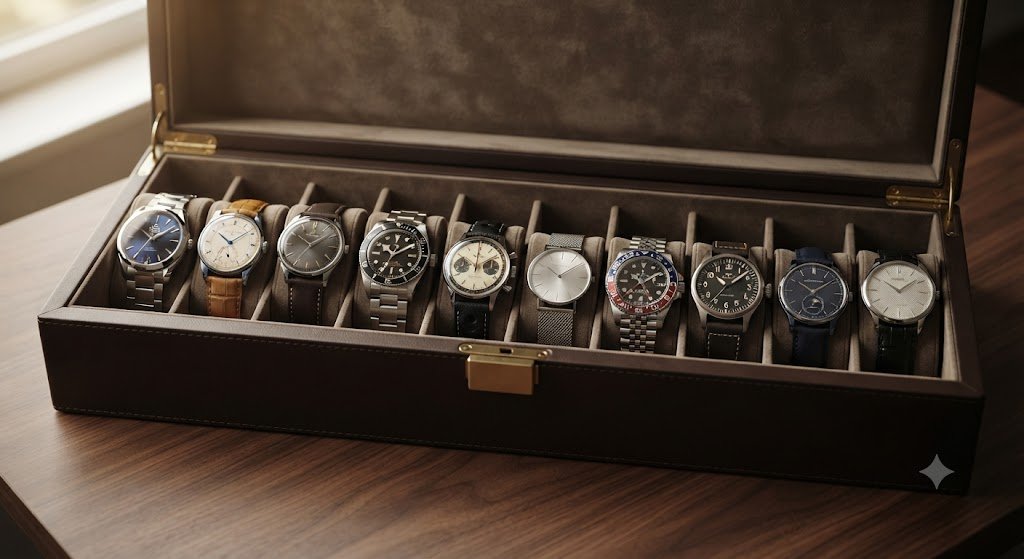
How you store a watch is just as important as how you wear it.
Use a Watch Box or Padded Case
Luxury watches should ideally be stored in a dedicated watch box with individual cushions. This helps prevent:
- Scratches between watches
- Dust accumulation
- Accidental impacts
- Unnecessary movement of the bracelet
Keep Away from Extreme Conditions
Avoid storing watches in places that are:
- Extremely humid
- Exposed to direct sunlight
- Near heat sources
- Subject to rapid temperature changes
For leather straps, a cool and dry environment is especially important to prevent premature aging.
Professional Servicing: Why Mechanical Watches Need Regular Attention
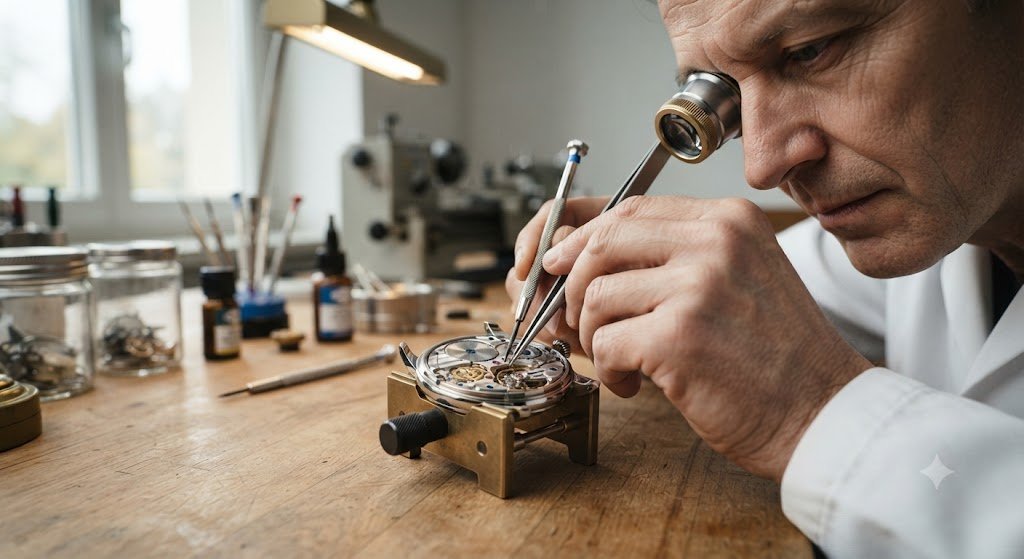
Mechanical and automatic watches contain dozens—or sometimes hundreds—of moving parts. Over time, the lubricating oils inside the movement gradually degrade.
Recommended Service Interval
Most luxury watch manufacturers recommend a full service every 3 to 5 years, depending on the model and how frequently it is worn.
What Happens During a Professional Service?
A certified watchmaker typically:
- Disassembles the movement
- Cleans all components
- Replaces worn parts if necessary
- Applies fresh lubrication
- Adjusts accuracy
- Tests water resistance
- Refinishes the case and bracelet if requested
Skipping service for too long can lead to increased friction, reduced accuracy, and more costly repairs later.
Avoiding Magnetic Fields
Modern life surrounds us with magnetic sources that many watch owners overlook.
Common Sources of Magnetism
- Smartphone accessories with strong magnets
- Laptop speakers
- Wireless charging devices
- Bluetooth speakers
- Magnetic handbag closures
- Refrigerator magnets
How Magnetism Affects a Watch
A magnetized movement may:
- Run significantly fast
- Run inconsistently
- Lose accuracy unexpectedly
The good news is that demagnetization is usually a quick procedure performed by a professional watchmaker.
Signs Your Watch Needs Attention
Consider scheduling a professional inspection if you notice:
- Condensation under the crystal
- Sudden changes in accuracy
- Difficulty winding the watch
- A loose crown
- Unusual noises from the movement
- Reduced power reserve
Addressing these issues early can prevent more serious damage.
Long-Term Preservation Tips
For collectors and enthusiasts, a few additional habits can help maintain long-term value:
- Keep original boxes, papers, and warranty cards.
- Document service history.
- Use authorized or certified service centers.
- Avoid unnecessary polishing, which can remove metal over time.
- Rotate watches in your collection to distribute wear evenly.
Final Thoughts
A luxury watch is designed to accompany you for many years, but its longevity depends largely on the care it receives. Daily cleaning, proper storage, regular servicing, and protection from water and magnetic fields are all essential parts of responsible ownership.
Rather than viewing maintenance as an occasional task, think of it as an investment in the future of your timepiece. A well-maintained watch not only retains its beauty and performance but also preserves the craftsmanship and history that make it special.
With thoughtful care and periodic professional attention, your watch can remain a trusted companion for decades—and potentially become a treasured piece passed from one generation to the next.
You Might Also Like
- Common Jewelry Care Mistakes You Need to Avoid
- How to Clean Sterling Silver Tarnish at Home: A Safe Step-by-Step Guide
- Sterling Silver Cleaning Methods Compared: Which One Should You Use?
