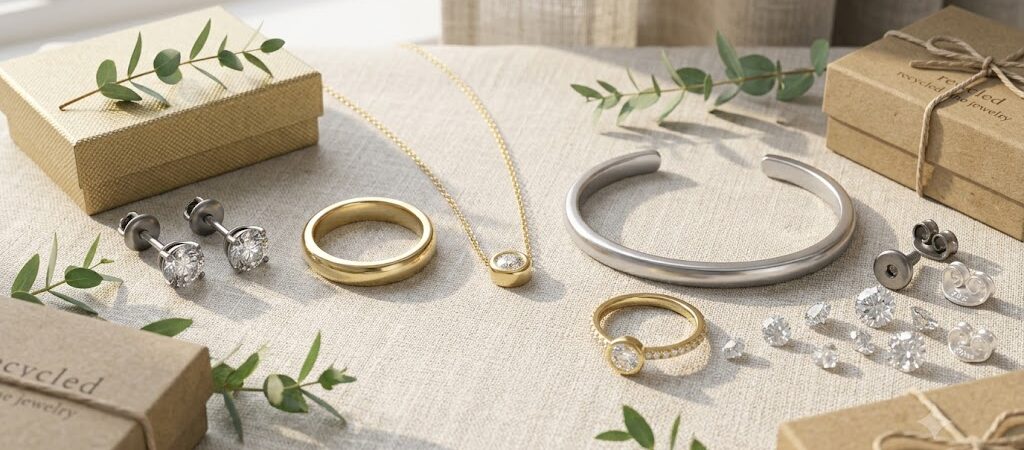
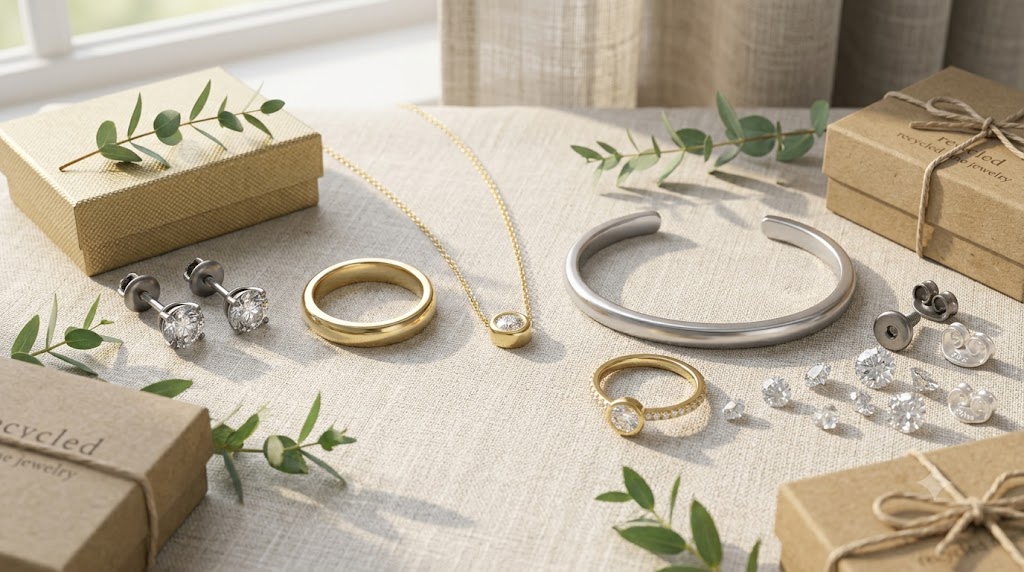
Jewelry has always been a symbol of beauty, love, and self-expression. Whether it’s an engagement ring, a family heirloom, or a simple everyday necklace, these pieces often carry emotional value that lasts a lifetime. However, many people are becoming more aware that traditional jewelry production can sometimes have significant environmental and social impacts.
Mining for precious metals and gemstones may require large amounts of land, water, and energy, and in some parts of the world, concerns about labor conditions and responsible sourcing remain important topics. As consumers become more informed, many are looking for ways to enjoy beautiful jewelry while supporting more responsible practices.
This is where sustainable jewelry comes in. Rather than being a single product or certification, sustainable jewelry is an approach that focuses on reducing environmental impact, encouraging ethical business practices, and creating beautiful pieces that can be treasured for years. If you’re interested in making more thoughtful purchasing decisions, this guide will help you understand what sustainable jewelry is and how to shop more responsibly.
What Is Sustainable Jewelry?
Sustainable jewelry is designed and produced with greater consideration for both people and the planet.
Instead of focusing only on appearance or price, sustainable jewelry takes into account how materials are sourced, how products are manufactured, and how workers throughout the supply chain are treated.
While no product is entirely impact-free, many jewelry brands are adopting practices that reduce waste, conserve natural resources, and improve transparency.
Common characteristics of sustainable jewelry include:
- Recycled precious metals
- Responsibly sourced gemstones
- Laboratory-grown gemstones
- Ethical labor practices
- Transparent supply chains
- Durable, long-lasting craftsmanship
Choosing sustainable jewelry doesn’t mean sacrificing beauty or quality. In many cases, these pieces are crafted to the same high standards as traditional fine jewelry.
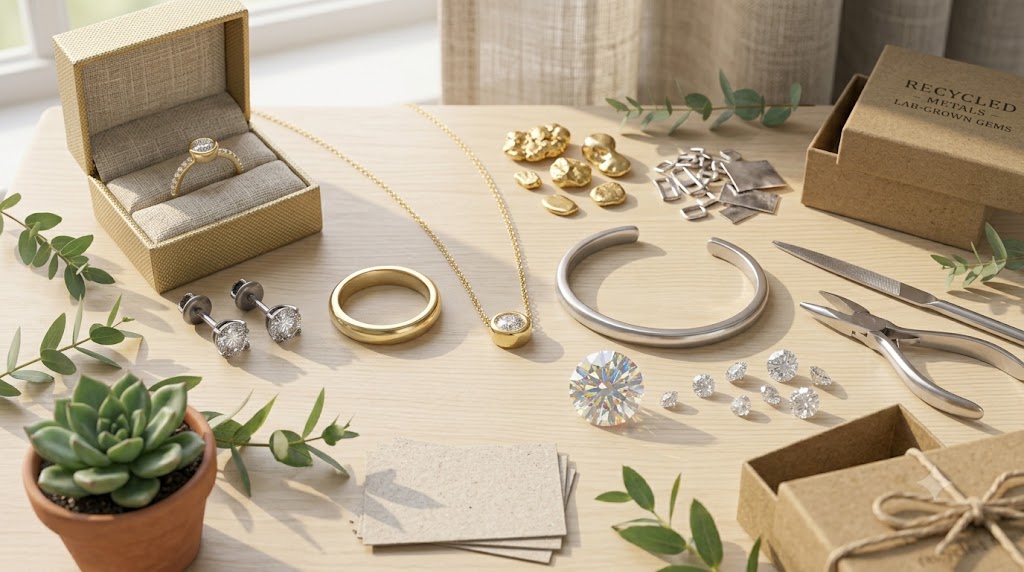
The Pillars of Sustainable Jewelry
Several key principles help define what makes jewelry more environmentally and socially responsible.
1. Recycled Metals
One of the most effective ways to reduce the environmental impact of jewelry is by using recycled precious metals.
Gold and silver can be refined and reused without losing their quality or purity. Instead of extracting new metals through mining, recycled materials come from sources such as old jewelry, industrial components, and precious metal scrap.
Why Recycled Metals Matter
Using recycled metals can help:
- Reduce the demand for new mining
- Conserve natural resources
- Lower energy consumption in some production processes
- Give existing materials a second life
The finished jewelry looks and performs exactly like jewelry made from newly mined precious metals, making recycled gold and silver an excellent choice for consumers who value sustainability.
2. Lab-Grown Gemstones
Laboratory-grown gemstones have become one of the most exciting developments in modern jewelry.
Advances in technology now allow scientists to create gemstones with the same chemical and physical properties as their naturally occurring counterparts. Examples include lab-grown diamonds and moissanite, both of which have become increasingly popular among buyers seeking beautiful, durable alternatives.
Benefits of Lab-Grown Gemstones
Laboratory-created gemstones offer several potential advantages:
- Reduced demand for new mining
- Transparent production methods
- Consistent quality
- Excellent durability
- Beautiful appearance
- Availability at more accessible price points
For many shoppers, choosing a lab-grown gemstone is an opportunity to balance quality, value, and environmental considerations.
It’s important to remember that laboratory-grown gemstones are genuine gemstones—they simply have a different origin than mined stones.
3. Fair Trade Practices
Sustainability isn’t only about protecting the environment. It also involves supporting the people who make jewelry possible.
Fair trade practices focus on improving working conditions and promoting responsible business throughout the supply chain.
Responsible jewelry companies often prioritize:
- Safe working environments
- Fair wages
- Respect for workers’ rights
- Transparent sourcing
- Long-term community support
While certifications and standards vary, brands that openly discuss their sourcing practices often demonstrate a stronger commitment to ethical production.
Supporting businesses that value both craftsmanship and worker well-being helps encourage positive change across the industry.
How to Shop Responsibly
You don’t need to be an expert to make more informed jewelry purchases.
A few simple habits can help you identify brands that place greater emphasis on sustainability and transparency.
Look for Material Transparency
Trustworthy jewelry companies usually explain where their metals and gemstones come from.
Look for information about:
- Recycled gold or silver
- Laboratory-grown gemstones
- Responsibly sourced natural stones
- Manufacturing practices
The more transparent a company is, the easier it is to understand what you’re buying.
Read the Brand’s Story
Many ethical jewelry brands dedicate sections of their websites to explaining their values and sourcing practices.
Take a few minutes to read about:
- Material origins
- Production methods
- Sustainability initiatives
- Community partnerships
Companies that openly share this information often demonstrate a genuine commitment to responsible business practices.
Check for Certifications
Independent certifications can provide additional confidence when evaluating jewelry brands.
Depending on the company, you may see certifications or memberships related to:
- Responsible sourcing
- Ethical business practices
- Environmental management
- Fair trade initiatives
While certifications are helpful, they are just one factor to consider alongside transparency and product quality.
Support Local Designers and Small Businesses
Buying from local jewelers and independent designers can also be a meaningful way to shop more consciously.
Smaller businesses often:
- Produce in limited quantities
- Focus on craftsmanship
- Offer greater transparency
- Build longer-lasting customer relationships
Choosing locally made jewelry may also reduce transportation distances and support artisans within your community.
Why Quality Matters More Than Quantity
One of the simplest principles of sustainable fashion is buying fewer, better-made products.
Instead of purchasing several inexpensive pieces that wear out quickly, many shoppers now prefer investing in timeless jewelry designed to last for years.
High-quality jewelry often offers:
- Better craftsmanship
- Greater durability
- Easier repair and maintenance
- Long-term value
- A lower need for frequent replacement
Classic designs also tend to remain stylish regardless of changing fashion trends.
Questions to Ask Before Buying Jewelry
Before making a purchase, consider asking yourself:
- What materials were used?
- Does the brand explain where its metals come from?
- Are the gemstones natural, laboratory-grown, or recycled?
- Is the jewelry designed to last for many years?
- Does the company share information about its ethical practices?
These simple questions can help you make purchasing decisions that align with your personal values.
Quick Checklist for Eco-Friendly Jewelry
Use this checklist when comparing jewelry brands:
- ✔ Uses recycled gold or silver
- ✔ Offers laboratory-grown or responsibly sourced gemstones
- ✔ Shares information about sourcing and manufacturing
- ✔ Supports fair labor practices
- ✔ Produces durable, high-quality jewelry
- ✔ Provides clear product descriptions and material information
You don’t need every box to be checked, but greater transparency generally makes it easier to shop with confidence.
Final Thoughts
Sustainable jewelry is about making thoughtful choices that balance beauty, quality, and responsibility. By considering how precious metals are sourced, exploring options like recycled gold and laboratory-grown gemstones, and supporting companies that value fair working conditions, consumers can contribute to a more transparent and responsible jewelry industry.
At the same time, sustainable shopping doesn’t require perfection. Every purchase is an opportunity to learn more, ask questions, and choose products that align with your priorities. Whether you decide on recycled metals, lab-grown gemstones, or jewelry from local artisans, informed decisions can make a meaningful difference over time.
Ultimately, modern luxury is no longer defined solely by rarity or price. For many people, true luxury comes from wearing a piece that not only looks beautiful but also reflects respect for skilled craftsmanship, responsible sourcing, and the planet we all share.