Gemstone jewelry collects oils, dust, lotion residue and everyday grime, but cleaning it does not have to mean strong products or complicated techniques. The safest approach is usually a gentle one, and the first step is always to identify the specific stone and check whether it has been treated.
Before You Clean Gemstone Jewelry
Not every gemstone should be cleaned the same way. A method that is reasonable for a hard, durable stone may be unsuitable for a porous, soft, organic or treated one. Before putting water or any cleaning solution on a piece, take a moment to consider what you are actually cleaning.
Check the stone and its treatment first
If you know the gemstone, look up its specific care requirements. If you do not know what the stone is, avoid experimenting with cleaning methods that could cause permanent damage. Treatments matter too: some stones are dyed, fracture-filled, impregnated, coated or otherwise treated to improve their appearance or stability, and a treatment can change how a stone should be handled.
Extra caution is appropriate with stones such as:
- Pearls
- Opals
- Turquoise
- Emeralds
- Coral
- Amber
- Lapis lazuli
- Dyed or fracture-filled gemstones
- Other porous or treated stones
This does not mean every example of these materials must be treated identically. It means their care should not be assumed from appearance alone.
What you should have on hand
For many suitable pieces, gentle cleaning needs only a few simple items:
- Lukewarm water
- A drop of mild dish soap
- A very soft brush
- A clean, lint-free cloth
- A clean, soft towel for drying
The goal is to loosen surface dirt, not to scrub the jewelry aggressively.
What to avoid
Unless a qualified professional has confirmed that a particular piece can tolerate them, avoid:
- Ultrasonic cleaners
- Steam cleaners
- Harsh chemicals
- Bleach
- Ammonia
- Acids
- Abrasive polishes
- Toothpaste
There is no single cleaning method that is guaranteed safe for every gemstone and every treatment.
A Gentle Cleaning Method for Suitable Gemstone Jewelry
For a gemstone that is known to tolerate gentle water cleaning, the process can be quite simple.
- Inspect the jewelry first. Look for loose stones, damaged settings, cracks or chips. If anything looks unstable, stop rather than cleaning it yourself.
- Prepare lukewarm water. It should feel comfortably warm, never hot.
- Add a drop of mild dish soap. A very small amount is enough; there is no need for a concentrated solution.
- Clean gently. Use a very soft brush with light pressure to loosen dirt around the stone and setting.
- Wipe the surface. A lint-free cloth helps lift remaining residue.
- Rinse carefully, when appropriate. If the stone and its treatment are known to tolerate rinsing, use clean lukewarm water. For porous, treated or uncertain pieces, do not assume that rinsing or soaking is appropriate.
- Dry gently. Pat the piece with a soft, lint-free cloth and let it finish drying naturally.
- Inspect it again. Check the setting and stone once more before putting the piece away.
For small or valuable pieces, be careful around sinks: a dropped gemstone can vanish down a drain quickly. Light pressure matters too. Cleaning is not a contest to remove as much dirt as possible at once, and scrubbing can push dirt against the surface of a stone or setting instead of lifting it away.
If the metal itself needs attention, our guide to cleaning sterling silver tarnish covers that, but check first that any gemstones in the piece can tolerate the method. For general routines, see how to clean jewelry at home.
Which Gemstones Need Extra Care?
Some gemstones are relatively easy to maintain, while others call for a much more cautious approach.
Hard and durable gemstones
Some harder gemstones can tolerate gentle cleaning with lukewarm water and a little mild dish soap, as long as the specific stone and any treatments are known to be suitable. Examples can include diamond, sapphire, ruby, some varieties of quartz and some types of garnet. Even so, hardness does not make a stone immune: a hard stone can still have fractures, inclusions or a vulnerable setting, and rubies and sapphires in particular can be treated, so the treatment question still applies. To learn more about how hardness relates to wear, read our guide to the Mohs scale and everyday wear.
Moderate-hardness gemstones
Stones of moderate hardness, such as some tourmalines, peridots and moonstones, can often be cleaned gently, but extra care with pressure and handling is sensible. Hardness alone does not decide whether water, soap or a particular method is appropriate.
Soft, porous, organic or treated stones
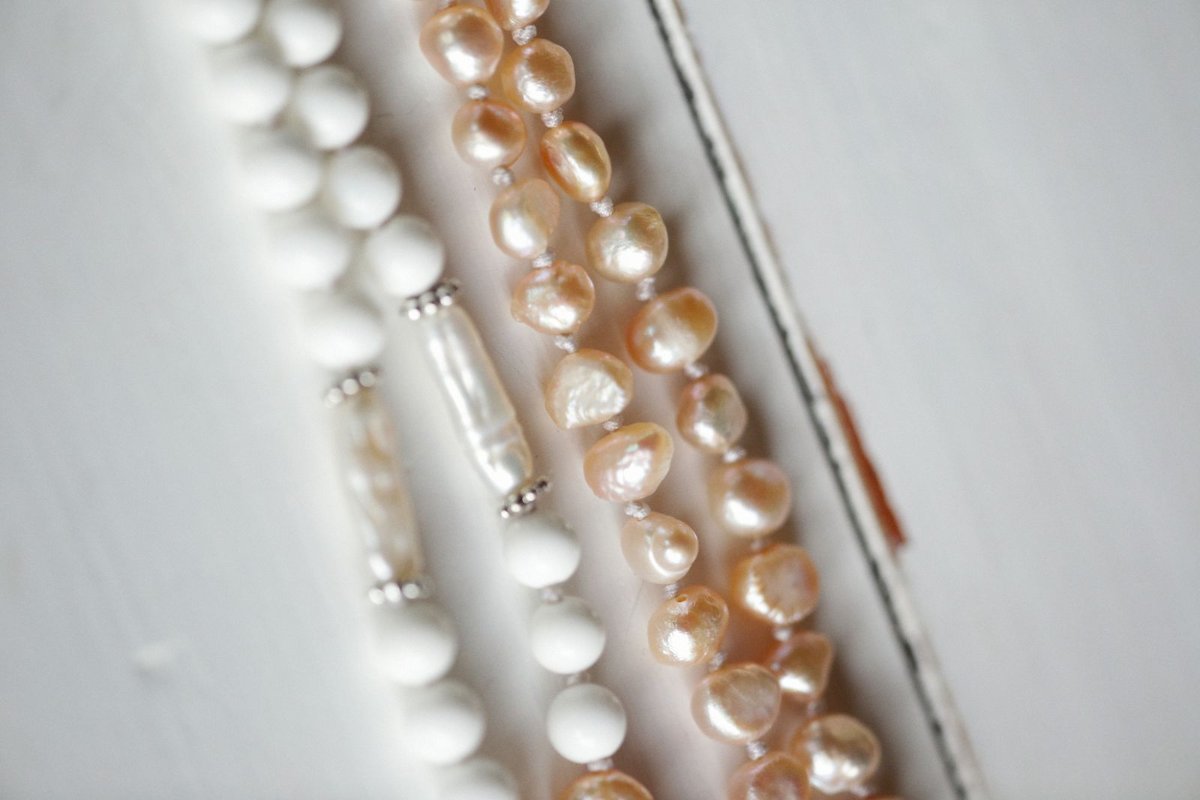
This is where the most caution is needed. Pearls, opals, turquoise, coral, amber and lapis lazuli can require more specialized care, and emeralds deserve particular attention because their inclusions and common treatments can affect cleaning recommendations. Dyed and fracture-filled stones should not be handled as though they were untreated versions of the same material. Avoid casually soaking these pieces or exposing them to strong cleaning equipment, and when care instructions are uncertain, ask a professional rather than experimenting. For pearls specifically, see our guides on evaluating pearls and wearing pearl jewelry.
Quick cleaning guide
| Stone type | General cleaning approach | What to avoid |
|---|---|---|
| Hard and durable | Gentle cleaning may be suitable with lukewarm water, a drop of mild dish soap and a soft brush, once confirmed appropriate for the specific stone | Ultrasonic cleaners, steam, harsh chemicals and abrasive products unless professionally confirmed |
| Moderate hardness | Use gentle methods only after checking the specific stone and treatment | Vigorous brushing, harsh chemicals and unnecessary soaking |
| Soft, porous, organic or treated | Handle very cautiously and follow stone-specific care guidance | Long soaking, ultrasonic cleaners, steam, harsh chemicals, acids, abrasives and unverified methods |
This table is a general guide, not a universal cleaning chart. Always check the specific stone and any treatments first.
Common Cleaning Mistakes to Avoid
Sometimes the safest way to care for jewelry is to skip a method that sounds convenient.
Using an ultrasonic cleaner without checking
Ultrasonic cleaners can make cleaning seem effortless, but they are not automatically appropriate for gemstones. Vibration may be unsuitable for some stones, inclusions, fractures, treatments or settings. A professional may recommend it for some pieces and advise against it for others, so do not assume a stone is safe just because it looks hard.
Using steam or very hot water
Steam and heat are not universal jewelry-care solutions. Some gemstones and treatments are sensitive to heat or sudden temperature changes, especially when the stone’s identity or treatment history is uncertain. Stick with lukewarm water when the stone is known to tolerate it, and do not heat gemstones as part of a home cleaning routine.
Reaching for household chemicals
Bleach, ammonia, acids and other strong chemicals can affect gemstones, treatments, metals and other components of a piece. A mild method is generally preferable when the specific stone allows it.
Using toothpaste or abrasive polish
Toothpaste is sometimes suggested as a homemade jewelry cleaner, but abrasive ingredients can scratch some surfaces and change how a piece looks. There is little reason to take that risk when gentler options exist.
Soaking everything
Soaking can be especially problematic for porous, soft, organic or treated gemstones. Even when a piece looks sturdy, its treatment or construction may make prolonged exposure to water inappropriate. If you are unsure, do not assume a long soak will make cleaning safer or easier.
When Professional Cleaning Is the Better Choice
In some situations, a qualified jeweler is the better person to handle cleaning:
- Valuable or antique jewelry: older pieces may have unusual construction, delicate settings, past repairs or stones whose treatments are not obvious.
- Loose or damaged stones: if a stone moves in its setting, looks cracked or chipped, or seems loose, do not clean it yourself. Extra handling can make an existing problem worse or let the stone come free.
- Unknown gemstones: if you inherited a piece or bought it without reliable information about the stone, do not guess. A qualified jeweler or gemological professional can help identify the material and any treatments.
- Treated gemstones: if you know a stone has been dyed, fracture-filled, coated or otherwise treated, use care instructions appropriate to that specific treatment.
How to Keep Gemstone Jewelry Cleaner Between Washes
Cleaning does not need to be frequent or aggressive. Simple habits reduce buildup in the first place:
- Wipe jewelry gently with a clean, lint-free cloth after wearing it, when appropriate.
- Store pieces separately to reduce scratching and tangling. Our jewelry storage guide has practical ideas.
- Keep jewelry away from harsh household chemicals.
- Avoid wearing delicate gemstone jewelry during activities where it could be hit or damaged.
- Follow stone-specific care instructions rather than one routine for everything.
- Look over settings now and then for visible movement or damage.
For delicate stones, prevention is often more useful than frequent cleaning.
Frequently Asked Questions
Can I clean all gemstones with mild dish soap?
No. Mild soap and lukewarm water may suit some gemstones, but no method is guaranteed safe for every stone or treatment. Always check the specific gemstone and any treatments first.
Can I use an ultrasonic cleaner on gemstone jewelry?
Do not assume it is safe. Some stones, inclusions, treatments and settings are unsuitable for ultrasonic cleaning, so professional confirmation is advisable.
Can I soak gemstone jewelry in water?
Not as a general rule. Soft, porous, organic and treated stones need extra caution and often should not be soaked, especially when their treatment or construction is uncertain.
Is toothpaste safe for cleaning gemstones?
Toothpaste is not a good general gemstone cleaner because its abrasive ingredients can damage some surfaces. A gentle method suited to the specific stone is safer.
What should I do if a gemstone is loose?
Stop cleaning it and have the piece checked by a qualified jeweler. A loose stone can come out during handling, and the setting may need attention.
How should I clean an old or valuable gemstone piece?
Have it assessed by a qualified jeweler before cleaning it yourself. Antique, valuable, loose, damaged or uncertain pieces may have treatments or construction details that need specialized care.
Final Thoughts
Gemstone jewelry does not need aggressive cleaning to look cared for. In many cases the gentlest approach is the most sensible: check the specific stone and its treatments first, use only mild methods when appropriate, and avoid harsh chemicals, abrasives, steam and unverified cleaning equipment.
The most useful habit is not memorizing one universal recipe but recognizing that different gemstones have different needs. When a piece is valuable, antique, loose, damaged, treated or simply uncertain, professional advice is worth more than an experiment at home. A little caution helps preserve both the gemstone and the jewelry around it.
