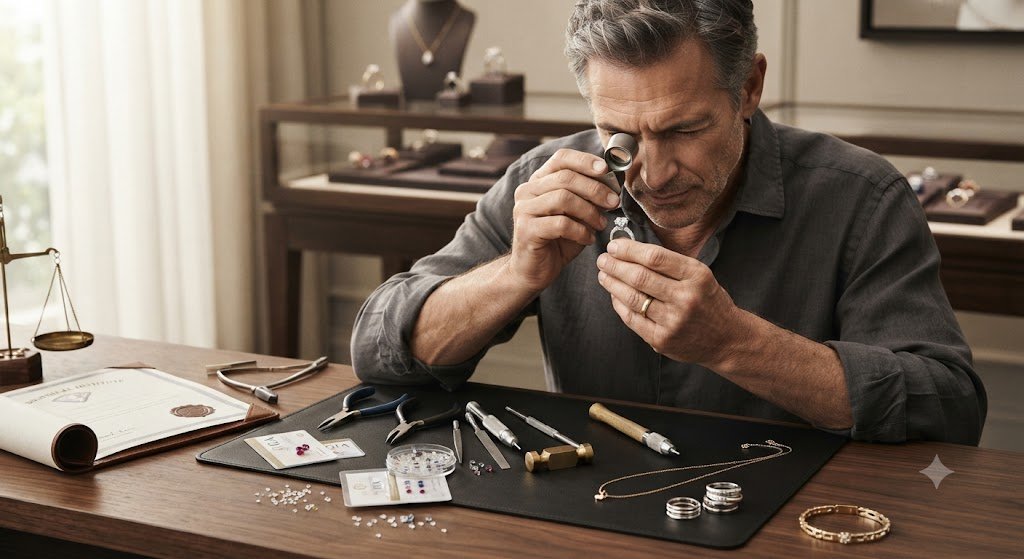
Learn how to recognize exceptional craftsmanship, authentic materials, and trustworthy sellers so you can invest in jewelry that lasts a lifetime.
Introduction: Why Quality Jewelry Is Worth the Investment
Jewelry can be much more than an accessory. A well-crafted ring, necklace, bracelet, or pair of earrings often becomes part of life’s most meaningful moments—celebrating milestones, marking achievements, or preserving family memories for generations.
Unfortunately, not every piece of jewelry is made to stand the test of time. Attractive displays, limited-time promotions, and online trends can encourage impulsive purchases that ultimately lead to disappointment. Poor-quality jewelry may tarnish quickly, lose its finish, loosen gemstones, or require costly repairs after only a short period of use.
Choosing quality jewelry is about making informed decisions rather than emotional ones. By learning what to look for—from metal hallmarks and gemstone certifications to craftsmanship and brand transparency—you can shop with greater confidence and ensure your investment retains both its beauty and value over time.
In this guide, you’ll discover the essential factors that distinguish high-quality jewelry from lower-grade alternatives and learn how to avoid common purchasing mistakes.
Why Quality Matters More Than Price
A higher price tag doesn’t automatically guarantee superior quality. Likewise, an affordable piece isn’t necessarily poorly made.
True value comes from a combination of factors, including:
- Authentic materials
- Skilled craftsmanship
- Durable construction
- Ethical sourcing
- Transparent documentation
- Long-term wearability
A thoughtfully crafted piece can remain beautiful for decades with proper care, while poorly manufactured jewelry may begin showing signs of wear after only a few months.
Looking beyond appearance helps you make smarter purchasing decisions.
Hallmarks: The First Sign of Authenticity
One of the easiest ways to evaluate jewelry is by checking for official metal purity marks, often called hallmarks.
These tiny stamps identify the type and purity of the precious metal used in the piece.
Common Hallmarks
Some of the most common include:
- 18K or 750 – 18-karat gold containing approximately 75% pure gold
- 14K or 585 – 14-karat gold with about 58.5% pure gold
- 925 – Sterling silver made of 92.5% pure silver
- PT950 – Platinum containing 95% pure platinum
Hallmarks are usually located in discreet areas such as:
- Inside rings
- Bracelet clasps
- Necklace clasps
- Earring posts
- Pendant bails
Because these marks are very small, using a magnifying glass may help when inspecting a piece.
Keep in mind that a hallmark alone should not be your only indicator of authenticity, but reputable fine jewelry almost always includes proper metal markings.
Inspect the Craftsmanship Carefully
Quality jewelry reveals itself through attention to detail.
Even before considering gemstones or precious metals, examine the overall finish of the piece.
Look for Clean Finishing
High-quality jewelry should have:
- Smooth polished surfaces
- Even edges
- Symmetrical design
- Secure clasps
- Comfortable construction
- No visible glue or rough spots
Every component should feel intentional and precisely assembled.
Examine the Stone Settings
If the jewelry contains gemstones, inspect how they are secured.
Quality settings should:
- Hold stones firmly
- Appear symmetrical
- Show no visible gaps
- Have evenly shaped prongs
- Protect the gemstone without covering excessive surface area
Loose stones or uneven settings may indicate poor craftsmanship.
Why Metal Weight Matters
The weight of a jewelry piece often provides valuable clues about its construction.
Precious metals such as gold, platinum, and sterling silver have naturally high density.
When you hold a well-made piece, it often feels more substantial than inexpensive plated alternatives.
Solid vs. Hollow Construction
High-quality jewelry generally features:
- Solid precious metals
- Balanced weight
- Durable structural integrity
Lower-quality fashion jewelry may feel unusually light because it is:
- Hollow inside
- Thinly plated
- Made from inexpensive base metals
While lightweight designs certainly have their place, unexpectedly low weight in a supposedly premium piece deserves closer examination.
Verify the Origin of Gemstones
Beautiful gemstones deserve the same level of scrutiny as precious metals.
Whenever purchasing valuable diamonds or colored gemstones, request proper documentation.
Why Certification Matters
Independent gemological laboratories evaluate important characteristics such as:
- Authenticity
- Weight
- Color
- Clarity
- Cut
- Treatments
Certificates provide objective information that allows buyers to compare stones accurately.
For significant purchases, respected laboratories such as GIA, IGI, or equivalent independent organizations offer valuable peace of mind.
Remember that certification does not necessarily make a gemstone “better,” but it does provide transparency about exactly what you’re buying.
Choose Brands That Value Transparency
The quality of a jewelry piece extends beyond its physical materials.
A reputable jeweler should also demonstrate professionalism through clear communication and customer support.
Signs of a Trustworthy Brand
Reliable jewelry companies typically provide:
- Clear product descriptions
- Honest information about materials
- Transparent gemstone sourcing
- Warranty policies
- Repair services
- Return or exchange policies
- Care instructions
- Authenticity documentation
Businesses willing to answer detailed questions often inspire greater confidence than those offering vague or incomplete information.
Transparency builds trust—and trustworthy brands are generally proud to explain how their jewelry is made.
Don’t Let Trends Lead Your Decision
Fashion trends can be inspiring, but impulse purchases often result from chasing what’s popular rather than selecting what truly fits your lifestyle.
Before buying, ask yourself:
- Will I enjoy wearing this in five years?
- Does it match my everyday wardrobe?
- Is it comfortable?
- Is it versatile?
- Is it made with durable materials?
Classic designs often provide better long-term value because they remain stylish regardless of changing trends.
Choosing jewelry thoughtfully helps reduce unnecessary spending while building a collection you’ll genuinely appreciate.
Ask About Maintenance and Warranty
Fine jewelry is designed to last, but every piece benefits from proper care.
Before making a purchase, find out:
- Does the jeweler offer professional cleaning?
- Are repairs available?
- Is resizing possible?
- How long does the warranty last?
- What types of damage are covered?
Brands that stand behind their products usually demonstrate confidence in their craftsmanship.
Knowing these details before purchasing can save both money and frustration in the future.
Jewelry Inspection Checklist
Before completing any jewelry purchase, answer these five questions:
- ✔ Does the piece have an official hallmark (such as 18K, 925, or PT950)?
- ✔ Is the craftsmanship clean, symmetrical, and free from visible flaws?
- ✔ If gemstones are included, are they accompanied by an independent certification or equivalent documentation?
- ✔ Does the seller clearly explain the materials, sourcing, warranty, and care recommendations?
- ✔ Am I buying this because I truly value its quality and design—not simply because of a sale or passing trend?
If you can confidently answer “yes” to each question, you’re much more likely to make a purchase you’ll enjoy for many years.
Build a Collection Slowly
One of the biggest misconceptions about fine jewelry is that a beautiful collection must be built quickly.
In reality, many of the most meaningful collections grow gradually.
Instead of buying numerous inexpensive pieces, consider investing in fewer, higher-quality items that complement one another.
Timeless essentials may include:
- A classic gold chain
- Diamond or gemstone stud earrings
- A well-crafted bracelet
- A versatile pendant necklace
- A quality watch
- A simple wedding or anniversary band
These foundational pieces remain stylish through changing fashions and often become treasured keepsakes.
Sterling silver purity marks are one of the details worth checking — see our guide on what sterling silver 925 actually means for more on reading hallmarks correctly.
Final Thoughts
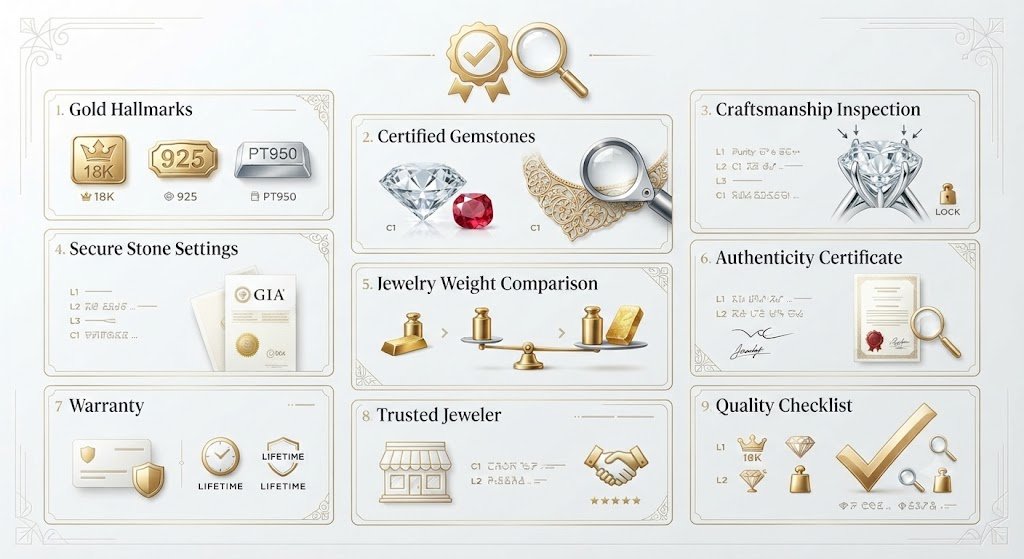
High-quality jewelry is defined by far more than its appearance. Authentic precious metals, expertly crafted settings, certified gemstones, and transparent business practices all contribute to a piece that offers lasting beauty and dependable value. Taking a few extra moments to inspect hallmarks, evaluate craftsmanship, verify documentation, and research the seller can help you avoid costly mistakes and make purchases with confidence.
Impulse buying often focuses on immediate excitement, while thoughtful shopping emphasizes durability, authenticity, and long-term satisfaction. A well-made piece of jewelry can accompany you through life’s most important moments, becoming a symbol of memories, achievements, and personal style that lasts for generations.
Ultimately, investing in quality is one of the smartest decisions any jewelry buyer can make. Rather than filling your collection with disposable accessories, choose pieces that reflect exceptional craftsmanship, timeless design, and genuine value. Your future self—and perhaps future generations—will appreciate the care you took in selecting jewelry built to endure.
You Might Also Like
- Gold Karats Investment Value Comparison: Is 24K, 18K, or 14K Gold the Best Choice?
- Natural vs. Lab-Grown Diamonds: Investment Value and Resale Impact Explained
- Fine Jewelry vs. Fashion Jewelry: How to Know What You’re Buying
