A tiny number or group of letters stamped inside a ring, on the back of a pendant, or near a bracelet clasp can tell you quite a bit about a piece of jewelry. Marks such as 925, 14K, 18K, 750 and PT950 are commonly used to indicate the material or fineness, while other marks can point to plating, gold-filled construction, or the maker.
The important word is indicate. Jewelry marks are helpful clues, but they do not automatically prove that a piece is genuine, correctly described, or valuable. Marking systems and legal requirements vary by country, and worn, altered or misleading stamps are possible. Reading these small markings is best treated as one part of examining a piece, not as a substitute for professional authentication.
What Do Common Jewelry Marks Mean?
The numbers and letters found on jewelry usually fall into a few broad categories. Some describe metal fineness, some describe the type of construction or coating, and others identify the manufacturer or maker. Here is a quick reference for commonly encountered marks.
| Mark | What it generally indicates | Important note |
|---|---|---|
| 925 | Commonly indicates sterling silver (925 parts per 1,000 fine silver) | A stamp alone does not guarantee authenticity |
| 10K / 10KT | Commonly indicates 10-karat gold | Legal marking requirements vary by region |
| 14K / 14KT | Commonly indicates 14-karat gold | The mark describes claimed gold content, not overall value |
| 18K / 18KT | Commonly indicates 18-karat gold | Color can vary depending on the alloy |
| 750 | Commonly indicates 750 parts per 1,000 fine gold, equal to 18-karat gold | Regional hallmarking practices differ |
| PT950 | Commonly indicates platinum (950 parts per 1,000) | Read the complete marking and check local standards |
| GP | Commonly means gold plated | Exact construction and thickness depend on the applicable standard |
| GF | Commonly means gold filled | Requirements for the term can vary by jurisdiction |
| Maker mark | Identifies or is associated with a manufacturer, designer or responsible party | It does not necessarily identify the metal itself |
These descriptions are deliberately general. A hallmark system used in one country may not work exactly like the marking system in another.
Understanding numbers such as 925 and 750
Some jewelry marks use a three-digit number to describe metal fineness. A mark of 925 generally means 925 parts per 1,000 are claimed to be silver, which is commonly associated with sterling silver. A mark of 750 generally means 750 parts per 1,000 are claimed to be gold, which corresponds to 18-karat gold because 18 out of 24 parts are gold. These numbers describe fineness, not weight, price, age or craftsmanship. For more on the silver standard, see what sterling silver 925 is and why it tarnishes.
Understanding karat marks
Gold jewelry is often marked with a karat designation such as 10K, 14K or 18K. Karat describes the proportion of gold in the alloy, out of 24 parts:
- 10K is commonly used to indicate 10 parts gold out of 24.
- 14K is commonly used to indicate 14 parts gold out of 24.
- 18K is commonly used to indicate 18 parts gold out of 24.
Other metals are added to the gold to create alloys with different strengths and colors. For a deeper look, read our guide to gold karats explained.
Where Are Jewelry Hallmarks Usually Found?
Hallmarks and stamps are usually placed where they are visible during inspection but not prominent during normal wear. The location depends on the type of piece.
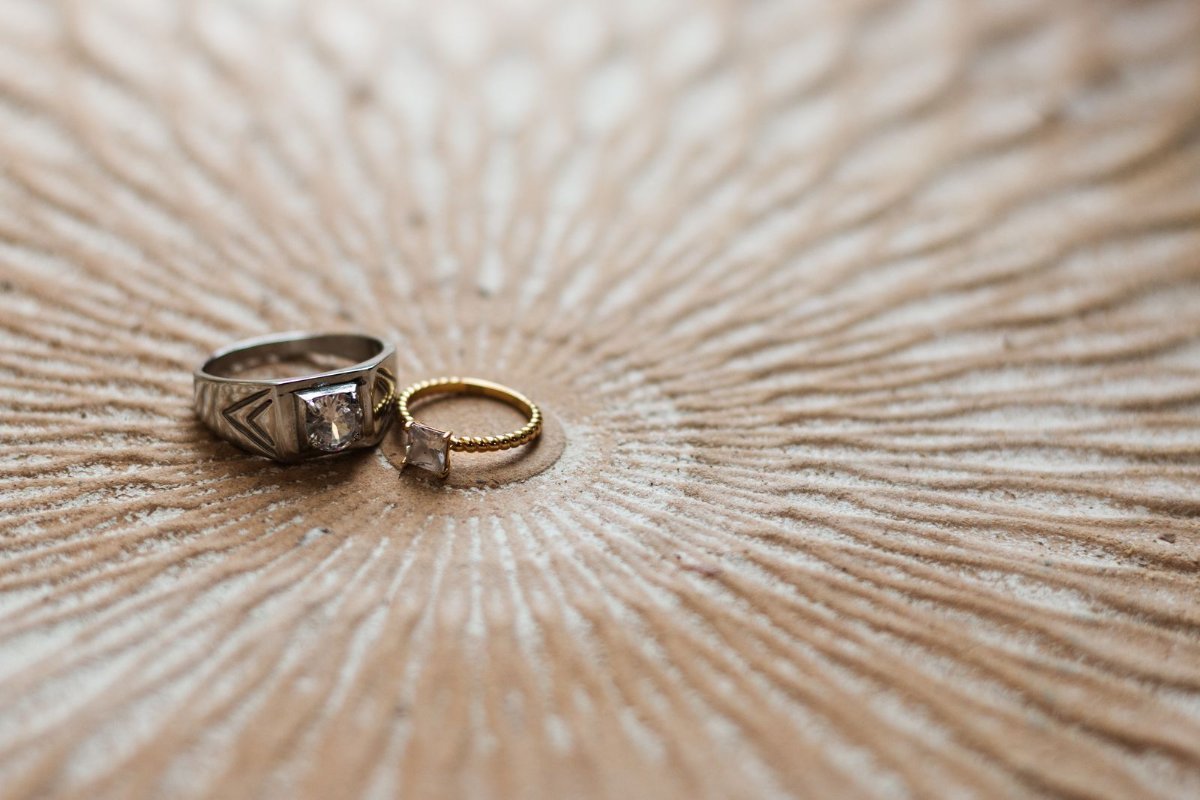
- Rings: look along the inside of the band. A ring may carry several tiny marks grouped together rather than one large stamp.
- Necklaces and bracelets: check around the clasp, the end pieces, or a small metal tag near the fastening.
- Earrings: look on the posts, the backs, or another small metal section. Not every component necessarily carries the same marking.
- Pendants and charms: inspect the back or edge of the pendant, or the bail that connects it to the chain.
- Watches and unusual pieces: marks may appear in less obvious places, such as the inside of a case.
If a mark is hard to find, do not assume a piece is unmarked simply because nothing is visible at first glance.
How to Inspect a Jewelry Stamp
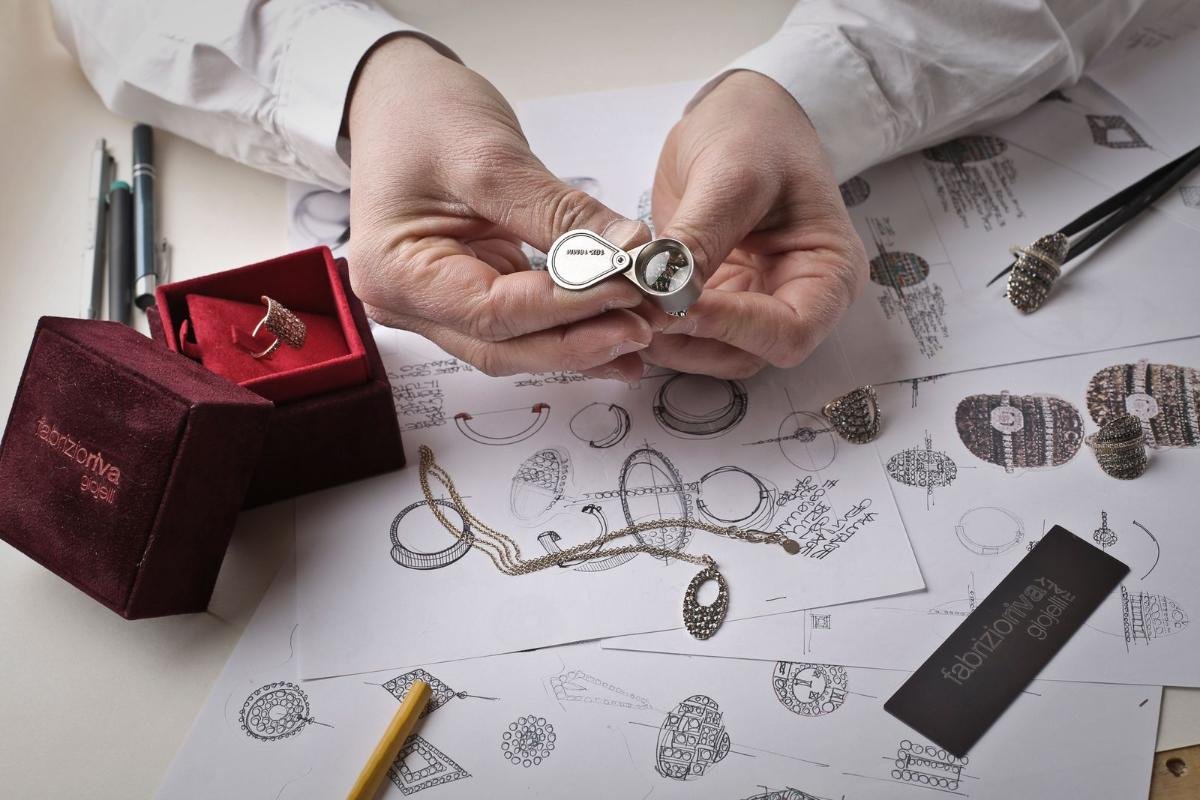
A small magnifying glass or jeweler’s loupe makes a big difference when examining jewelry markings. You do not need to be an expert to use one for a basic visual inspection.
- Clean the surface gently. Remove loose dirt that may hide the marking, and avoid aggressive cleaning methods.
- Use bright, even light. Natural daylight or a bright neutral light makes tiny impressions easier to see.
- Find the likely marking area. Check the inside of a ring, the clasp area, the back of a pendant, or another discreet metal section.
- Use a magnifier or loupe. Hold the piece steady and move the magnifier until the mark comes into focus.
- Read every character. A marking may contain numbers, letters, symbols or several separate stamps.
- Look at the surrounding area. Notice whether the stamp is clear, worn, distorted or partly polished away.
- Write down exactly what you see. Even one character can change the interpretation.
Do not “complete” an unclear marking based on what you expect it to say. If you can only make out something resembling 75, record it as an incomplete or uncertain mark rather than automatically calling it 750.
What a loupe can and cannot tell you
A loupe helps you see what a stamp actually says and whether it is worn or difficult to read. It cannot confirm the composition of the metal. For valuable, unusual, inherited or disputed jewelry, professional examination is the safer route.
What Jewelry Stamps Do Not Prove
This is the most important part of reading hallmarks. A stamp provides useful information, but it does not automatically establish authenticity.
A stamp does not guarantee the whole piece is genuine
A piece marked 925 may be intended to indicate sterling silver, but the marking itself does not prove that the entire item meets that description. Likewise, a gold-colored item with a karat mark should not be considered authenticated solely because the mark is present.
A hallmark is not a guarantee of value
A metal mark does not tell you whether a design is desirable, whether a gemstone is genuine, whether a piece is antique or rare, or what anyone would pay for it. Metal fineness is only one characteristic of a piece. If age and history matter to you, our beginner’s guide to identifying vintage jewelry covers other clues to look for.
Maker marks are not metal marks
A maker’s mark may identify a manufacturer, designer, workshop or responsible party. It can help when researching a piece, but it does not necessarily tell you what the jewelry is made from. A piece can carry both a metal mark and a maker mark.
Plated and filled jewelry need careful reading
Marks such as GP commonly indicate gold plating, while GF commonly indicates gold-filled construction. Neither is simply another way of saying “solid gold.” Plated jewelry has a thin surface layer over another material, while gold-filled jewelry has a thicker bonded layer of gold. Exact definitions and marking rules depend on local regulations. Our comparison of solid gold, gold-filled and gold-plated jewelry explains the differences in more detail.
Regional Differences Matter
Jewelry marking systems are not identical everywhere. Different countries and regions can have different rules about which marks are required, how fineness is shown, whether a maker or responsibility mark is used, and how precious-metal claims are regulated. A hallmark can be meaningful in one jurisdiction without being directly comparable to a mark from another.
If a piece has an unfamiliar hallmark, researching the relevant regional marking system, or asking a qualified professional, is safer than guessing from how the stamp looks.
What If There Is No Stamp?
Finding no hallmark does not automatically mean a piece is fake. There are several possible reasons for a missing or unreadable mark:
- The piece may be too small. Small earrings, delicate chains, thin rings and tiny charms have very little room for a marking.
- The mark may have worn away. Friction from everyday wear, especially on the inside of rings, can fade stamps, and polishing or refinishing can make an older marking harder to read.
- The mark may be somewhere unexpected. Check the inside of a ring, near a clasp, on the back of a pendant, or on an earring component.
- The piece may simply be unmarked. Some jewelry does not carry an obvious metal stamp.
If the material matters for a purchase, an inheritance, an insurance record or a valuation, do not assume the composition just because a piece looks like gold, silver or platinum. A qualified jeweler or gemological laboratory can provide proper identification or documentation, and our guide to jewelry insurance explains why such records are worth keeping.
What if the mark is tiny or worn?
A worn marking is easy to misread. Instead of forcing a conclusion, photograph the area in good light and inspect it under magnification, looking for partial characters. A three-digit fineness number can become unclear if part of the stamp has been polished away. If the marking matters to a purchase or to identifying the piece, professional examination is better than guessing.
Please do not use acid tests or other potentially hazardous home testing methods. Authentication and valuation are better handled by a qualified jeweler or gemological laboratory.
A Simple Hallmark Checklist for Buying Jewelry
When buying jewelry, a hallmark is useful, but it should be weighed alongside everything else you know about the piece.
- Ask what the jewelry is made from, and whether it is solid, filled, plated or another construction.
- Locate the metal mark yourself and read it carefully instead of relying only on a listing description.
- Check whether there is also a maker or responsibility mark.
- Be cautious if the marking is unclear or inconsistent with the description.
- If gemstones are involved, remember that a metal hallmark does not authenticate the stones.
- Keep receipts and any documentation you are given.
- For significant or disputed purchases, consider independent professional authentication.
A seller who cannot clearly explain an important metal marking may be a reason to slow down and ask more questions.
Frequently Asked Questions
Does 925 mean real silver?
A 925 mark generally indicates a claim of 925 parts per 1,000 fine silver, commonly associated with sterling silver. The stamp itself, however, is not an absolute guarantee of authenticity.
Does 750 mean 18K gold?
Generally, yes. A 750 fineness mark commonly indicates 750 parts per 1,000 fine gold, which corresponds to 18-karat gold.
Does 14K mean the jewelry is solid gold?
A 14K mark generally indicates a 14-karat gold alloy. Plated or filled items can carry their own marks, so read the whole marking and ask about the construction of the piece.
What does GP mean on jewelry?
GP commonly means gold plated, meaning a layer of gold has been applied over another material. Marking conventions can vary by jurisdiction.
What does GF mean on jewelry?
GF commonly means gold filled, a different construction from ordinary gold plating. The precise definition and marking requirements can vary by region.
What should I do if my jewelry has no hallmark?
Do not assume it is fake or genuine based only on the absence of a mark. If the material or authenticity matters, have the piece examined by a qualified jeweler or gemological laboratory.
Final Thoughts
Jewelry hallmarks and stamps turn a tiny, easily overlooked detail into a useful source of information. Numbers such as 925 and 750, karat marks such as 10K and 18K, platinum marks such as PT950, and construction marks such as GP and GF help you understand what a piece is generally claimed to contain.
The safest habit is to treat a hallmark as evidence to investigate, not as proof on its own. Inspect the mark carefully, consider regional differences, look for maker marks, and pay attention to the overall description of the piece. When authenticity, valuation or an important purchase is involved, a qualified jeweler or gemological laboratory can offer a far more reliable assessment than a tiny stamp ever can.
